





What's Happening?
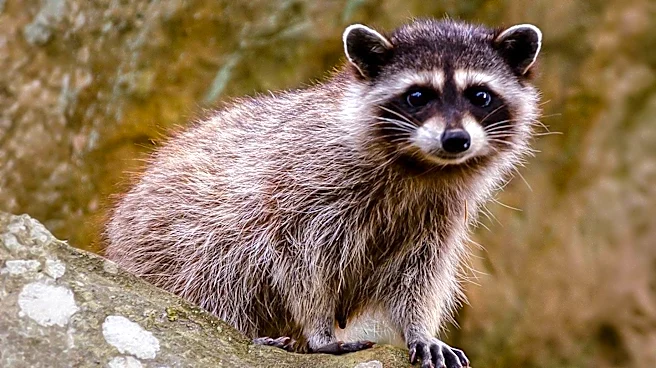
Los Angeles County has reported its first suspected case of rabies in a raccoon in over 50 years, specifically since 1973. The sick raccoon was discovered in a backyard in Westlake Village. While the animal appeared ill, it was not aggressive towards
people, a behavior often associated with rabid animals, according to the Los Angeles County Department of Public Health. The raccoon is currently under quarantine, and test results are pending to confirm the rabies diagnosis and identify the specific variant. Four individuals at a nearby worksite who may have been exposed to the raccoon are receiving post-exposure prophylaxis, a series of timely vaccines. Additionally, a dog that may have been exposed is up-to-date on its rabies vaccination. The last confirmed rabid raccoon in L.A. County was in 1973, which involved a skunk variant of the disease. The last non-bat animal confirmed to have rabies in the county was a skunk in Long Beach in 2014, infected with a bat variant.
Why It's Important?
This suspected case is significant as it marks a rare occurrence of rabies in a raccoon within Los Angeles County, highlighting the persistent threat of zoonotic diseases. The incident underscores the importance of public awareness regarding wildlife interactions and pet vaccination. Rabies is a severe and often fatal viral disease that can affect both humans and animals, making prompt action and preventative measures crucial. The potential exposure of four individuals and a dog necessitates immediate medical intervention to prevent disease progression. The ongoing investigation into the rabies variant will inform public health strategies and surveillance efforts. This event serves as a critical reminder for residents to maintain a safe distance from wild animals and ensure their pets' vaccinations are current, thereby protecting both human and animal health in the community.
What's Next?
The immediate next step involves awaiting the results of the raccoon's rabies test to confirm the diagnosis and identify the specific strain. Public health officials will continue to monitor the four individuals and the dog who were potentially exposed, ensuring they complete their post-exposure prophylaxis. The Los Angeles County Department of Public Health will likely issue further advisories to the public, reinforcing the importance of avoiding contact with wild animals and keeping pets vaccinated. Given the record-breaking 70 rabid bats confirmed in Los Angeles County this year, health officials will likely intensify their public education campaigns about rabies prevention. The incident may also prompt a review of local wildlife management protocols and public health response strategies to better address potential rabies outbreaks in the future.
Beyond the Headlines
The re-emergence of a suspected rabid raccoon after decades in L.A. County points to broader ecological and public health considerations. While rabies in raccoons is rare in this region, the increasing number of rabid bats suggests a potential shift in wildlife disease dynamics, possibly influenced by environmental factors or changes in animal populations. This situation highlights the interconnectedness of human, animal, and environmental health, a concept known as 'One Health.' The public's reaction to such events can also influence policy, potentially leading to increased funding for wildlife disease surveillance and control programs. Furthermore, the incident serves as a stark reminder of the importance of robust public health infrastructure and rapid response capabilities to manage infectious disease threats, even those considered rare or historically contained.