



What's Happening?
The National Weather Service (NWS) has issued warnings regarding multiple storm systems originating from the Pacific Ocean, which are expected to bring significant rain and snow to the mountainous regions of the western United States. Authorities are also
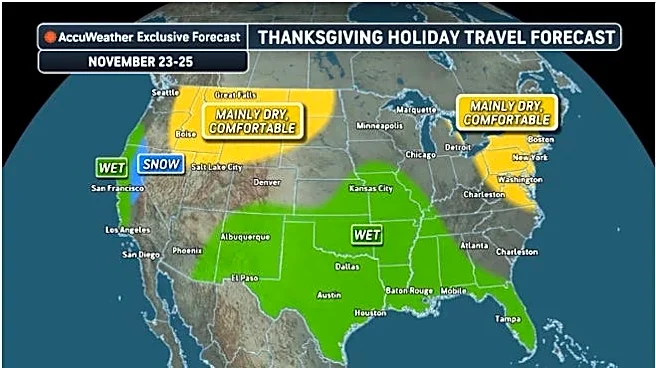
closely monitoring the potential for flash flooding in Florida and the Southwest over the coming days. The NWS's Weather Prediction Center (WPC) indicates that an upper-level low-pressure system, accompanied by a front and substantial moisture from the Pacific, will cause rainfall from the Northwest down to California and other interior western areas. The official forecast, released Monday morning, highlights flash flood risks for Tuesday, November 17, in parts of eastern Florida and the Four Corners region, which includes Arizona, Utah, Colorado, and New Mexico. While the West faces unstable conditions, a high-pressure system moving towards the Ohio Valley is expected to bring drier and calmer weather to much of the Midwest and the eastern part of the country through Tuesday.
Why It's Important?
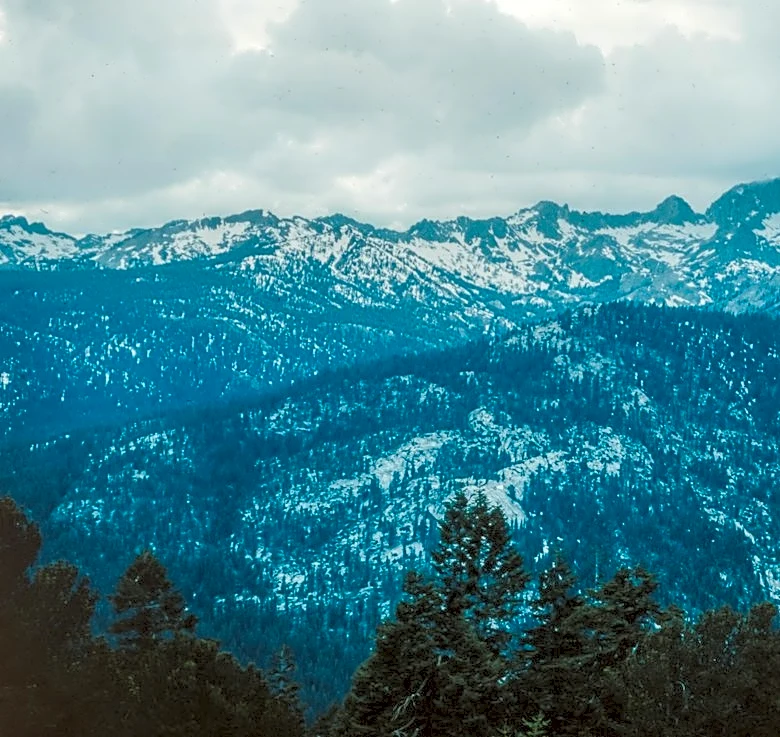
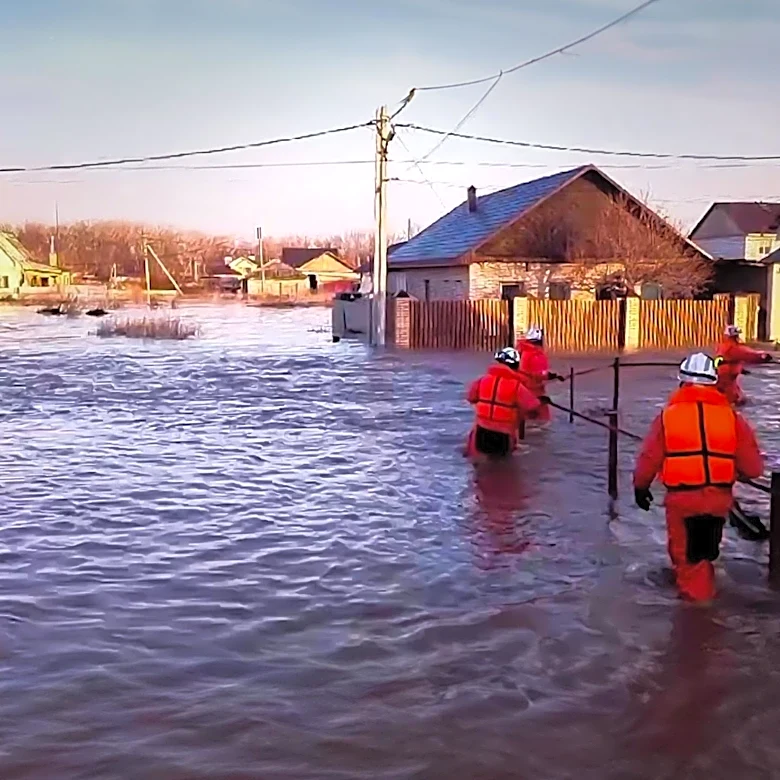
These weather patterns carry significant implications for various regions across the U.S. In the West, heavy snowfall in areas like the Sierra Nevada, Cascade Mountains, and Olympic Mountains could lead to difficult driving conditions on mountain roads, impacting transportation and potentially isolating communities. The risk of flash flooding in areas previously affected by wildfires in the Southwest is particularly concerning, as reduced soil absorption capacity increases vulnerability to rapid inundation. In Florida, the forecast for increased rainfall and flash flood risks could disrupt daily life, impact infrastructure, and pose dangers to residents. The contrast in weather conditions, with the Midwest and parts of the East Coast experiencing more stable weather, underscores the diverse and localized impacts of these large-scale atmospheric systems. Businesses reliant on transportation, agriculture, and tourism in affected regions could face disruptions and economic losses.
What's Next?
The NWS advises residents in affected areas to stay updated on local advisories, especially those in mountainous regions and flood-prone zones. A second episode of significant rainfall is anticipated in California towards the middle of the week, with heavier rain and fresh snowfall potentially continuing through Thursday, November 19. In Florida, the threat of flash flooding could persist over the next few days due to ongoing rainfall. Authorities will continue to monitor the development of these Pacific storms and issue further warnings as necessary. Travelers, particularly those planning to traverse mountain passes in the West, should anticipate challenging conditions and consider alternative routes or delaying travel. Emergency services will likely remain on alert to respond to potential flooding or weather-related incidents.