







What's Happening?
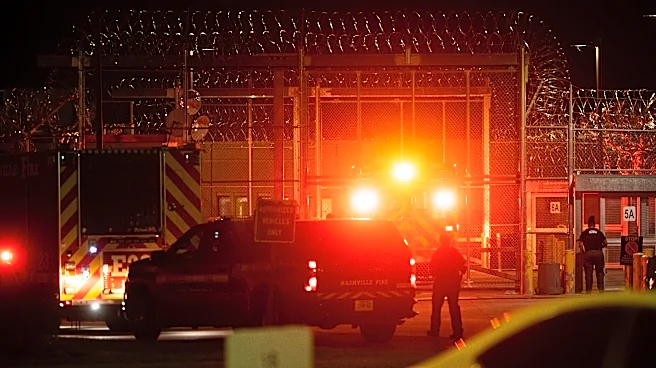
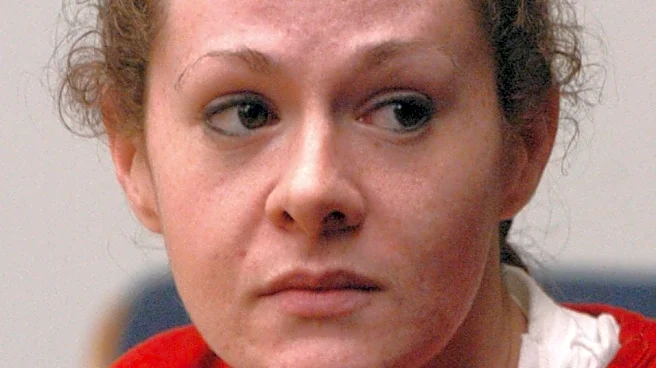
Frank Strada, Commissioner of the Tennessee Department of Correction (TDOC), has resigned following the failed execution of Christa Pike. This incident marks the second botched execution this year under Strada's leadership. Pike was rushed to a Nashville
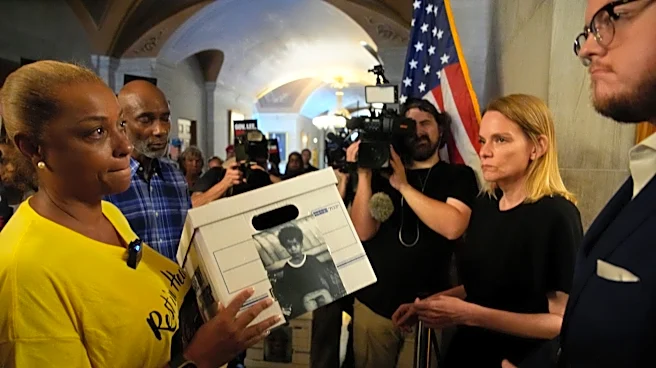
hospital after surviving two rounds of lethal injection and is currently unconscious and on a ventilator. In May, another execution attempt involving Tony Carruthers was called off after the execution team failed to establish IV lines. Governor Bill Lee announced Strada's resignation, thanking him for prioritizing Tennesseans' interests and stating that an independent review of the attempted execution will be conducted by former U.S. Attorney Ed Stanton. Strada, appointed in January 2023, previously served as deputy director of the Arizona Department of Corrections, where he oversaw three executions that were also reportedly problematic due to issues with IV access. Attorneys for Christa Pike stated that Strada's resignation is justified but does not help Pike, emphasizing that the incident reflects a systemic failure within Tennessee's death penalty system.
Why It's Important?
The resignation of Commissioner Strada and the repeated failures in execution protocols highlight significant issues within Tennessee's capital punishment system. The incidents raise serious questions about the state's ability to carry out executions humanely and constitutionally. The independent review initiated by Governor Lee is crucial for identifying systemic flaws, particularly concerning the efficacy of lethal injection drugs and the procedures for establishing IV access. This situation could lead to a broader re-evaluation of capital punishment practices in Tennessee, potentially influencing other states that utilize similar methods. The involvement of attorneys for death row inmates, who have pointed to Strada's problematic history in Arizona, underscores the ongoing legal and ethical challenges surrounding lethal injection protocols across the U.S. The public's trust in the justice system may be eroded by these repeated failures, prompting calls for greater transparency and accountability in execution procedures.
What's Next?
The immediate next step is the independent review of the attempted execution of Christa Pike, to be conducted by former U.S. Attorney Ed Stanton. This review will likely scrutinize the state's lethal injection protocol, the training and competence of the execution team, and the quality and effectiveness of the drugs used. Governor Lee has previously called for a moratorium on executions and an independent review, indicating a potential for significant changes to the state's capital punishment procedures. Stakeholders, including legal advocacy groups and civil rights organizations, will likely monitor the review closely and advocate for reforms or even a permanent halt to executions if systemic issues are not adequately addressed. The outcome of this review could lead to revised protocols, further moratoria, or increased legal challenges to the death penalty in Tennessee. The health status of Christa Pike, who remains on a ventilator, will also be a critical factor in ongoing legal and public discussions.
Beyond the Headlines
The repeated botched executions in Tennessee, culminating in Commissioner Strada's resignation, expose deeper ethical and legal dilemmas surrounding capital punishment. The incidents underscore the inherent difficulties and moral complexities of state-sanctioned killing, particularly when the process itself is flawed. The revelation that Strada had a history of overseeing problematic executions in Arizona raises questions about the vetting process for such critical positions and the accountability mechanisms within correctional departments. This situation could reignite national debates about the death penalty's constitutionality, its application, and the methods used. It also highlights the psychological and emotional toll on all involved, from the condemned individuals to the execution teams and the public. The call for transparency and accountability from legal advocates suggests a growing demand for a more humane and just approach to criminal justice, even in cases involving the most severe penalties.