







What's Happening?
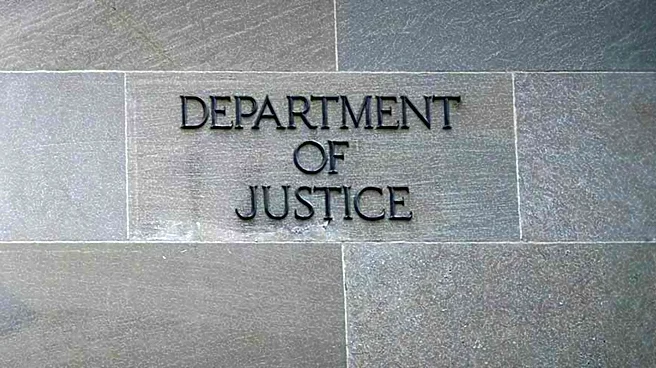
The United States Attorney General is authorized to enforce the public accommodations provisions, allowing for legal action against discrimination. Private individuals can initiate lawsuits to obtain court orders to cease discriminatory practices. Additionally,
individuals have the option to file complaints directly with the Attorney General. In instances deemed to be of general public importance or where a 'pattern or practice' of discrimination is alleged, the Attorney General can file lawsuits. These lawsuits may seek monetary damages and civil penalties. The civil penalties are capped at $55,000 for a first violation and can increase to $110,000 for any subsequent violation. This enforcement mechanism provides a dual approach, enabling both private citizens and the federal government to address and rectify discrimination in public accommodations.
Why It's Important?
This enforcement authority is crucial for upholding civil rights and ensuring equitable access to public accommodations across the U.S. By empowering both private citizens and the Attorney General to take legal action, it creates a robust system for addressing discrimination. The ability of the Attorney General to pursue cases involving a 'pattern or practice' of discrimination is particularly significant, as it allows for systemic issues to be tackled rather than just isolated incidents. The imposition of civil penalties serves as a deterrent, encouraging businesses and organizations to comply with anti-discrimination laws. This framework helps protect vulnerable populations from unfair treatment and promotes a more inclusive society, impacting various sectors from retail and hospitality to healthcare and transportation, ensuring that all individuals have equal opportunities to access essential services and facilities.
What's Next?
Individuals experiencing discrimination in public accommodations can continue to file complaints with the U.S. Attorney General, or pursue private lawsuits. The Department of Justice, under the Attorney General's purview, will likely continue to investigate and prosecute cases that demonstrate a clear pattern of discrimination or are deemed to be of significant public importance. Businesses and public entities will need to remain vigilant in ensuring their practices comply with public accommodations provisions to avoid potential lawsuits and civil penalties. The ongoing enforcement efforts will likely lead to continued legal precedents and potentially influence future legislative discussions regarding civil rights and anti-discrimination measures. The focus will remain on ensuring broad compliance and addressing any emerging forms of discrimination.
Beyond the Headlines
The enforcement of public accommodations provisions extends beyond immediate legal actions, fostering a broader societal expectation of inclusivity and equal access. This legal framework underscores the ethical imperative for businesses and public services to serve all individuals without prejudice. It also highlights the ongoing tension between individual liberties and collective rights, particularly in how businesses operate and interact with the public. The potential for significant civil penalties emphasizes the economic consequences of discriminatory practices, pushing organizations to integrate diversity and inclusion into their core operational strategies. This continuous legal and social pressure contributes to a gradual but profound cultural shift towards greater equity and understanding within the U.S., influencing everything from urban planning to customer service training.