







What's Happening?
A powerful earthquake with a magnitude of 7.3 struck near the southern Mexican Pacific coast, close to the border with Guatemala. The U.S. Geological Survey reported the epicenter was located 30 miles southwest of Aquiles Serdan, Chiapas, at a depth of 9
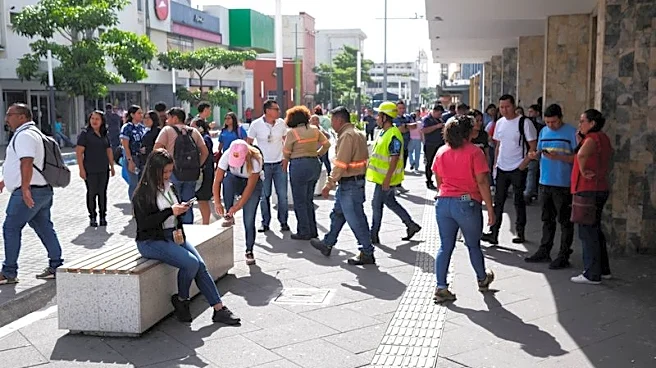
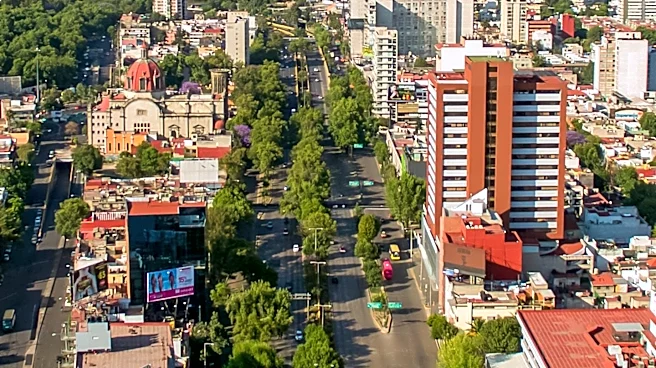
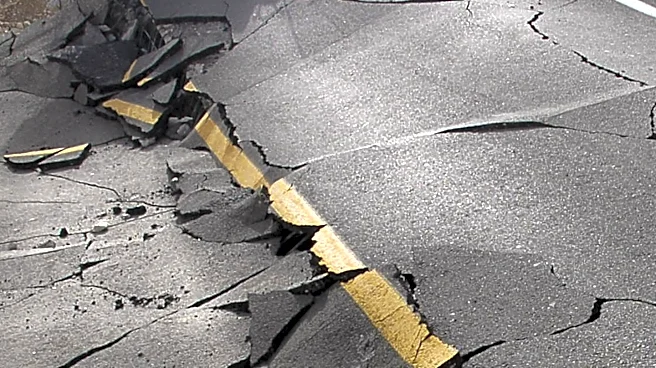
miles. The quake was felt across a wide area, including Mexico City, Guatemala, and El Salvador. Despite the intensity, no severe damage or casualties were reported, although two people sustained minor injuries in southern Mexico. The U.S. Tsunami Warning System initially issued a tsunami alert for areas within 186 miles of the epicenter, but this was later lifted. Authorities in both Mexico and Guatemala took precautionary measures, including suspending classes in affected regions and advising residents to stay away from beaches.
Why It's Important?
The earthquake highlights the vulnerability of the region to seismic activity, which can have significant implications for public safety and infrastructure. The temporary tsunami alert underscores the potential for secondary disasters following major seismic events. While this earthquake did not result in significant damage, it serves as a reminder of the need for robust disaster preparedness and response strategies in earthquake-prone areas. The event also draws attention to the importance of international cooperation in monitoring and responding to natural disasters, as seismic activity can affect multiple countries simultaneously.
What's Next?
Authorities in Mexico and Guatemala will likely continue to monitor the situation for aftershocks and any delayed impacts. Emergency services may conduct assessments to ensure infrastructure integrity and public safety. The event may prompt reviews of current disaster preparedness plans and could lead to increased investment in early warning systems and public education campaigns about earthquake safety. Additionally, the international community may offer support or expertise to enhance regional disaster response capabilities.