





What's Happening?
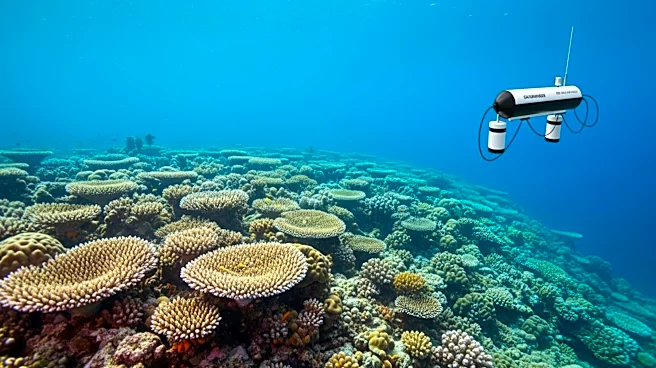
Cuba is employing inventive methods to protect its coral reefs in the face of limited resources and U.S. sanctions. Conservationists in Ciénega de Zapata National Park are using freediving techniques and recycled materials to conduct coral restoration.
The island's limited use of chemicals in farming has helped reduce the impact on its reefs, but recent coral diseases and bleaching events have prompted new conservation policies. The U.S. blockade has hindered access to essential resources, complicating efforts to preserve the marine ecosystem.
Why It's Important?
Cuba's coral reefs are vital for biodiversity and the Caribbean's marine ecosystem. The innovative conservation efforts highlight the resilience and adaptability of local scientists and volunteers in the face of economic and political challenges. The situation underscores the importance of international cooperation in environmental conservation, as deteriorating U.S.-Cuba relations impede joint efforts in the Gulf of Mexico. The preservation of coral reefs is crucial for maintaining marine life and supporting local communities dependent on tourism and fishing.
Beyond the Headlines
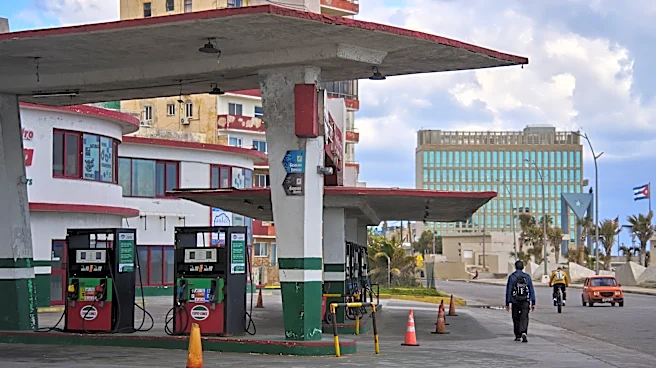
The U.S. blockade has broader implications for Cuba's environmental and economic stability. The restrictions limit scientific collaboration and access to resources, affecting long-term conservation projects. The situation raises ethical questions about the impact of political decisions on environmental sustainability and the livelihoods of local communities. Cuba's proactive approach to climate strategy serves as a model for other nations facing similar challenges.