
What's Happening?
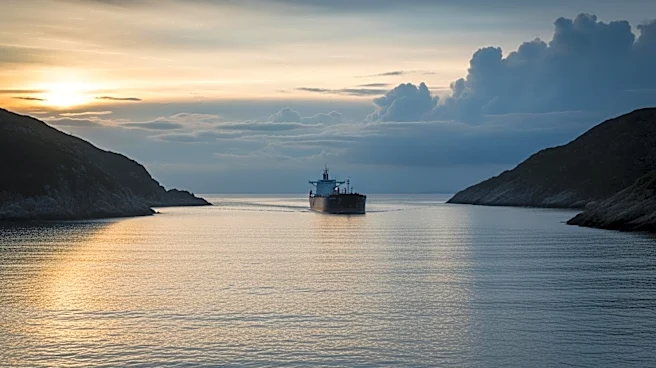
The United States and Iran remain at an impasse in their ongoing conflict, as a Qatari liquefied natural gas tanker sails toward the Strait of Hormuz. This development comes amid heightened tensions and sporadic
clashes between Iranian forces and U.S. vessels in the region. The U.S. has been waiting for Iran's response to proposals aimed at ending over two months of hostilities and initiating peace talks. Despite a ceasefire, recent days have seen increased fighting, with the U.S. military reporting strikes on Iran-linked vessels. The situation is further complicated by a U.S. blockade on Iranian vessels, which a CIA assessment suggests will not significantly impact Iran's economy for several months.
Why It's Important?
The ongoing conflict between the U.S. and Iran in the Strait of Hormuz has significant implications for global energy markets and international relations. The strait is a critical chokepoint for global oil supply, and disruptions could exacerbate the current global energy crisis. The conflict also poses a threat to the world economy, with potential repercussions for international trade and energy prices. The U.S. faces challenges in garnering international support for its actions, as allies like Italy and Britain express concerns over the strategic control of the strait. The situation underscores the complexities of Middle Eastern geopolitics and the delicate balance of power in the region.
What's Next?
As the U.S. awaits Iran's response to its peace proposals, the international community is closely monitoring the situation. The deployment of a British warship to the Middle East signals potential multinational efforts to ensure safe passage through the strait. The U.S. may continue diplomatic efforts to secure broader support from allies, while Iran's next moves remain uncertain. The outcome of these developments could influence future diplomatic and military strategies in the region, with potential impacts on global energy security and geopolitical stability.