
What's Happening?
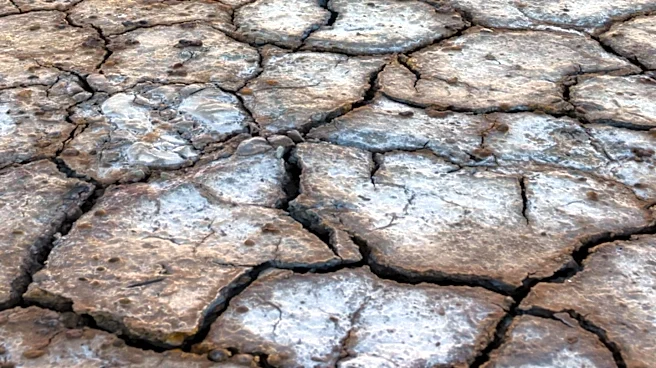
The UK is experiencing its second consecutive summer drought, with the Environment Agency declaring official drought conditions in seven regions, including East Anglia, Hertfordshire, and London. This
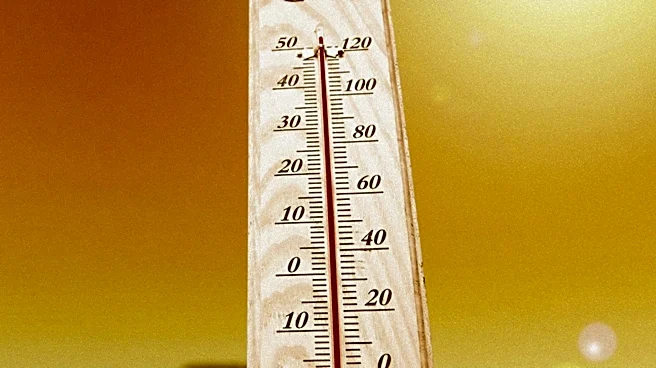
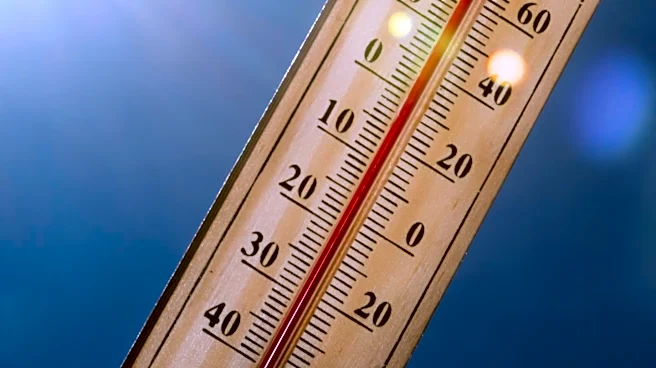
situation affects nearly half of the country's population, approximately 28 million people. The drought follows a period of very low rainfall and high temperatures, with July expected to be the driest on record. Satellite images show severe browning of landscapes and depleted reservoirs. The drought is exacerbated by the fourth heatwave of the year, with temperatures reaching into the 30s Celsius.
Why It's Important?
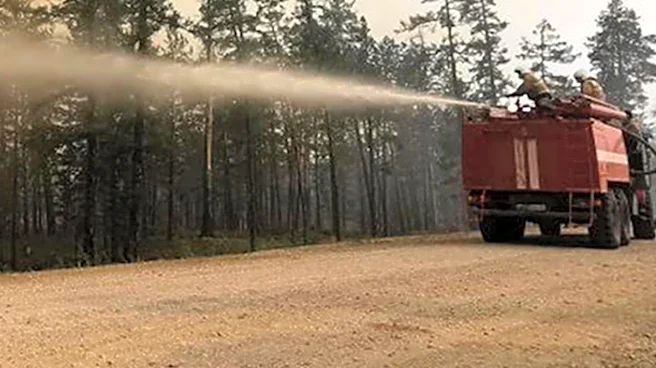
The drought has significant implications for the UK's environment, economy, and public health. It threatens water supplies, increases the risk of wildfires, and impacts agriculture, potentially leading to food shortages and higher prices. The situation highlights the vulnerability of the UK's water infrastructure and the need for improved water management strategies. It also underscores the broader impacts of climate change, as such extreme weather events become more frequent. The drought could prompt policy changes and increased investment in water conservation and climate adaptation measures.
What's Next?
The UK government and water companies are expected to implement further measures to manage water resources, including potential restrictions on water use. There may be increased pressure on policymakers to address climate change and invest in infrastructure to improve water resilience. Public awareness campaigns may be launched to encourage water conservation. The situation could also lead to international discussions on climate policy and the need for global cooperation to mitigate climate change impacts.