





What's Happening?
Lebanon's Environment Minister, Tamara El Zein, held a meeting with French Ambassador to Lebanon, Patrick Durel, to discuss expanding environmental cooperation between the two nations. The primary focus of the discussion was attracting French and European
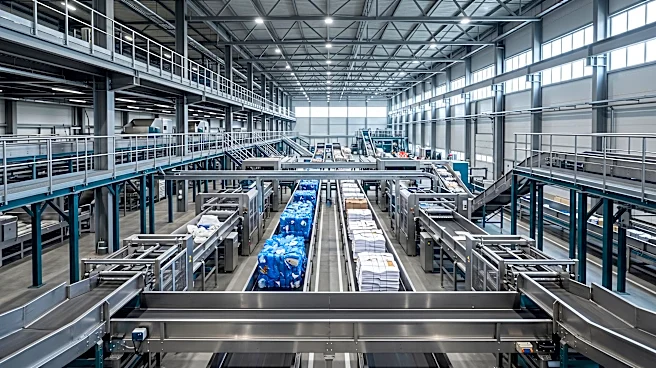
investment in Lebanon's waste management sector. Additionally, the meeting covered cooperation on health, climate, air quality, and institutional development. Minister El Zein emphasized the ministry's commitment to aligning international cooperation and funding with Lebanon's national priorities and urgent needs, aiming to avoid project overlaps and ensure efficient resource utilization. She highlighted efforts to address long-standing obstacles in waste management, such as unclear regulatory and financial frameworks, citing the updated National Integrated Solid Waste Management Strategy and the establishment of the National Solid Waste Management Authority.
Why It's Important?
This meeting is significant for Lebanon's environmental future and its economic stability. By attracting foreign investment, particularly from France and Europe, Lebanon aims to modernize its waste management infrastructure, which has been a persistent challenge. Improved waste management can lead to better public health outcomes, reduced environmental pollution, and a more sustainable urban environment. The focus on climate cooperation and air quality also aligns with global environmental goals and could help Lebanon mitigate the impacts of climate change. Furthermore, strengthening institutional development within the Environment Ministry, with French cooperation, can enhance governance and policy implementation, creating a more stable and attractive environment for future investments and sustainable development. This initiative could also reduce the financial burden on the Lebanese state and municipalities by fostering private sector involvement and technology transfer.
What's Next?
Following the meeting, the Environment Ministry plans to continue its efforts to create a stable environment for French and European companies to invest in waste treatment, technology transfer, and expertise sharing. This includes the ongoing implementation of the updated National Integrated Solid Waste Management Strategy and the operationalization of the National Solid Waste Management Authority. The French Development Agency (AFD) is preparing a project for submission to the Green Climate Fund (GCF), indicating potential future climate financing for Lebanon. The ministry also intends to launch an air-quality monitoring network in Beirut, with plans for a nationwide system, potentially drawing on French expertise. Continued training for ministry staff, following parliamentary approval of related legislation, will also be a priority to enhance institutional capacity.
Beyond the Headlines
Beyond the immediate environmental and economic benefits, this initiative carries deeper implications for Lebanon's international relations and its path toward sustainable governance. By actively seeking international partnerships and investment, Lebanon is signaling a commitment to addressing critical national issues through collaborative efforts, potentially strengthening its ties with European nations. The emphasis on institutional development and transparent regulatory frameworks suggests a move towards greater accountability and efficiency within government, which could help rebuild public trust. This approach also highlights the interconnectedness of environmental health with broader societal well-being and economic prosperity, positioning environmental policy as a key component of national recovery and long-term stability in a country facing numerous challenges.