








What's Happening?
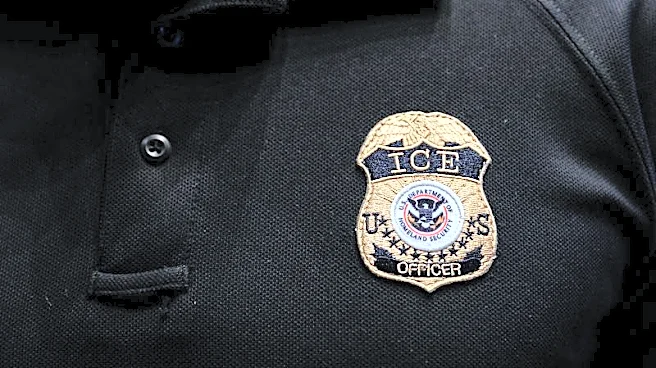
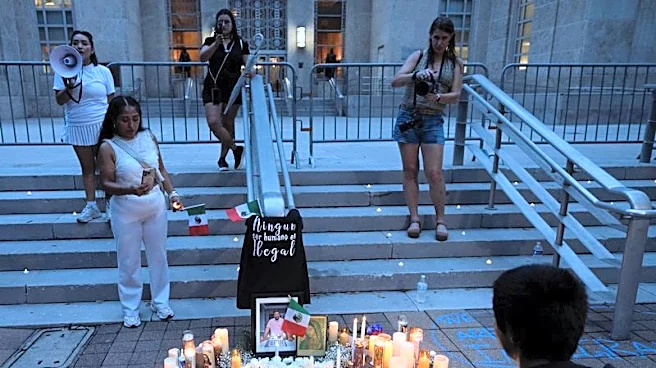
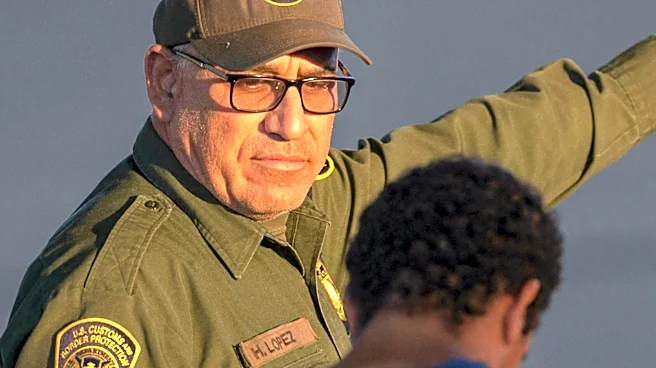
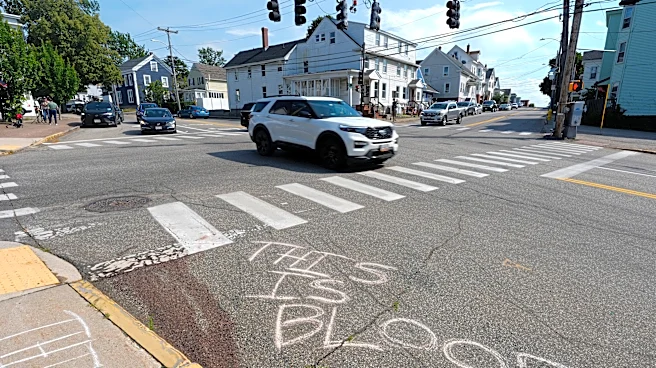
The Department of Homeland Security (DHS) has announced that all U.S. Immigration and Customs Enforcement (ICE) arrest teams will now include at least one officer equipped with a body-worn camera. This decision follows two recent fatal shootings by ICE agents
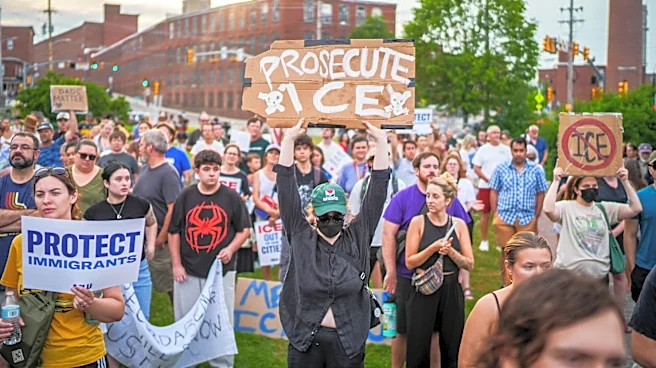
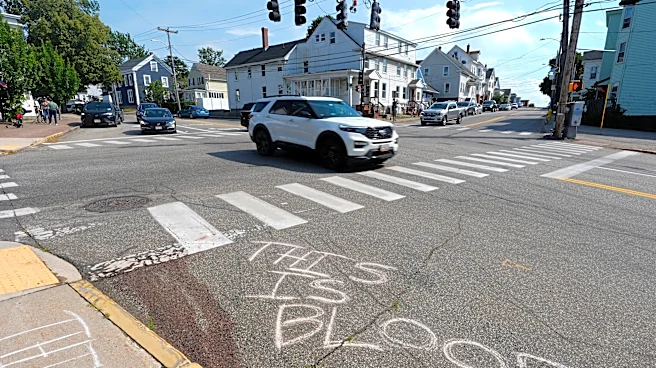
in Houston, Texas, and Biddeford, Maine, where the involved agents were not wearing body cameras. The move aims to increase transparency and accountability amid rising scrutiny of ICE's enforcement practices. DHS has already deployed body cameras to over half of ICE's field offices, with plans to complete the rollout within 60 days. The initiative is part of a broader effort to address concerns about the use of force and improve public trust in immigration enforcement.
Why It's Important?
The implementation of body cameras for ICE agents represents a significant step towards enhancing transparency and accountability in immigration enforcement. The decision comes amid heightened public scrutiny and criticism of ICE's practices, particularly following incidents involving the use of deadly force. Body cameras are expected to provide clearer documentation of enforcement actions, potentially reducing instances of misconduct and improving oversight. This move aligns with broader law enforcement trends towards increased use of body-worn cameras to build public trust and ensure accountability.
What's Next?
The full deployment of body cameras across ICE's field offices is expected by the end of July. This initiative may lead to changes in ICE's operational protocols and training programs, as agents adapt to the new equipment. The effectiveness of body cameras in reducing incidents of excessive force and improving accountability will be closely monitored by policymakers and advocacy groups. The outcome of this initiative could influence future decisions regarding the use of technology in law enforcement and immigration operations.