





What's Happening?
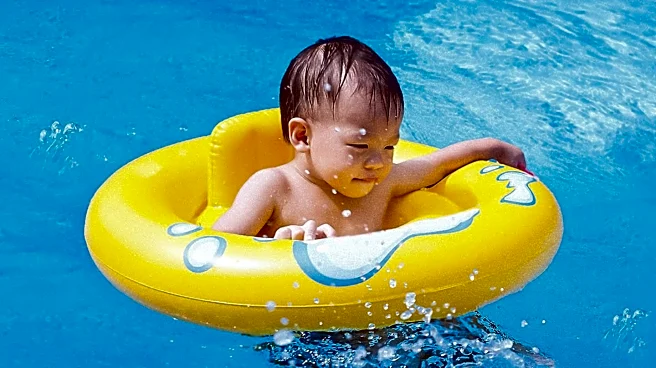
A 2-year-old child was rescued from water and received CPR following a reported drowning incident in Chandler on Sunday morning. Emergency services were dispatched to a residence located near Arizona Avenue and Elliot Road. Upon arrival, firefighters
discovered that CPR was already being administered to the toddler. The child was subsequently transported to a local hospital for further medical attention. Details regarding the circumstances that led to the incident have not yet been released, and authorities have not provided any additional information at this time. The event highlights the critical importance of water safety, especially concerning young children, and the immediate need for intervention in such emergencies.
Why It's Important?
This incident underscores the persistent public health concern of accidental drownings, particularly among young children, which remains a leading cause of injury-related death for this age group in the United States. The immediate administration of CPR by bystanders before the arrival of emergency medical services is often crucial for improving outcomes in drowning cases, emphasizing the importance of widespread CPR training within communities. For families, this event serves as a stark reminder of the necessity for constant supervision around water sources, including residential pools, and the implementation of safety measures such as fencing and alarms. The emotional and psychological impact on the family and first responders involved in such incidents is profound, highlighting the broader societal cost of these preventable tragedies. Public awareness campaigns and educational initiatives on water safety are vital to mitigate these risks.
What's Next?
Authorities are expected to conduct an investigation into the circumstances surrounding the reported drowning to determine the exact cause and any contributing factors. This typically involves interviewing witnesses, examining the scene, and reviewing any available evidence. The child's condition at the hospital will be closely monitored, and medical professionals will provide updates to the family as appropriate. Depending on the findings of the investigation, there may be further public statements from local law enforcement or fire departments. This incident may also prompt local community organizations or public safety officials to reiterate water safety guidelines and offer resources for parents and caregivers to prevent similar occurrences in the future, potentially through educational workshops or distribution of safety materials.
Beyond the Headlines
Beyond the immediate tragedy, this event brings to light the broader issue of child safety in residential environments, particularly concerning access to water. Drowning incidents often occur silently and quickly, making constant, vigilant supervision paramount. The psychological toll on families and communities affected by such events can be long-lasting, leading to grief, trauma, and increased awareness of potential hazards. From a public policy perspective, incidents like this can sometimes lead to discussions about stricter pool safety regulations, mandatory fencing, or enhanced public education campaigns on water safety. The role of community support systems, including mental health services for affected families and first responders, also becomes critical in the aftermath of such traumatic events, highlighting the interconnectedness of public safety, health, and community well-being.