





What's Happening?
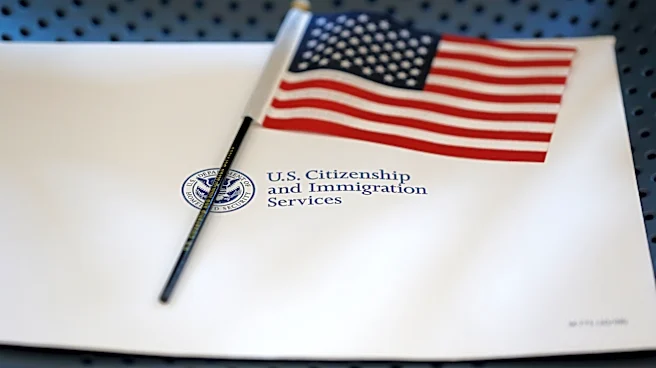
The U.S. Citizenship and Immigration Services (USCIS) has issued a new policy memo that significantly alters the process for adjusting immigration status to permanent residency. Under the new guidelines, adjustment of status will be granted only in 'extraordinary
circumstances,' requiring most applicants to apply from outside the U.S. through consular processing. This change affects individuals on temporary visas, such as students and temporary workers, who previously could adjust their status while in the U.S. The policy aims to reduce illegal overstays and reallocate USCIS resources to other priorities, such as processing visas for crime victims and naturalization applications.
Why It's Important?
The policy shift represents a major change in U.S. immigration processing, potentially affecting a large number of legal immigrants. By requiring applicants to apply from their home countries, the policy seeks to prevent individuals from remaining in the U.S. illegally if their applications are denied. However, this could lead to delays and increased burdens on consular offices abroad, as well as potential disruptions for families and businesses relying on foreign talent. The policy may also face legal challenges, as it alters long-standing practices and could impact the rights of individuals with pending applications.
What's Next?
As the policy is implemented, USCIS will need to provide further guidance on its application and address concerns raised by stakeholders. Legal challenges are likely, as the policy affects a significant number of individuals and alters established immigration practices. The impact on pending applications and the potential for increased scrutiny of adjustment applications could lead to further administrative and legal complexities. Stakeholders, including immigration advocates and affected individuals, may seek to challenge the policy in federal courts.