


What's Happening?
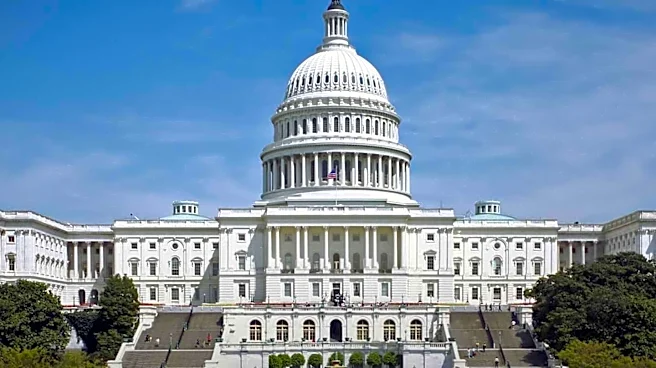
United States Representative Chris Smith, a New Jersey Republican, has introduced legislation to prevent Nigeria from being removed from the American religious freedom blacklist, officially known as the Country of Particular Concern (CPC) roster. This
move comes despite an ongoing lobbying campaign by Abuja to convince Washington that sectarian violence in Nigeria is primarily due to climate and land disputes, rather than religious persecution. Representative Smith's action signals a clear rejection of this narrative by American lawmakers, who believe that concrete security reforms are necessary before Nigeria's status can be reconsidered. The legislation aims to keep Nigeria on the blacklist, which could trigger severe statutory penalties against top Nigerian officials.
Why It's Important?
The decision by Representative Smith to block Nigeria's delisting from the religious freedom blacklist carries significant diplomatic and political weight. It directly undermines Nigeria's efforts to improve its international image and avoid potential sanctions. For the U.S., maintaining Nigeria on the CPC list underscores a commitment to religious freedom as a foreign policy priority and signals disapproval of the Nigerian government's handling of religious violence. This stance could strain diplomatic relations between the two countries and potentially impact U.S. aid or other forms of cooperation with Nigeria. It also highlights a divergence in how the U.S. and Nigeria interpret the root causes of conflict within the African nation, with U.S. lawmakers emphasizing religious persecution over other factors like climate change or land disputes.
What's Next?
The legislation introduced by Representative Smith will likely lead to continued debate and scrutiny of Nigeria's human rights record, particularly concerning religious freedom. The Nigerian government's lobbying efforts in Washington may face increased challenges, and it will need to demonstrate tangible progress on security reforms to address the concerns of U.S. lawmakers. The potential for severe statutory penalties against Nigerian officials remains a significant consequence if the country stays on the CPC list. This situation could also prompt other international bodies and nations to re-evaluate their own stances on Nigeria's religious freedom issues, potentially leading to broader international pressure or sanctions.
Beyond the Headlines
This development touches upon deeper issues of international religious freedom advocacy and the complexities of attributing causality in conflicts. The U.S. government's use of blacklists like the CPC roster reflects a broader strategy to promote human rights globally, but it also raises questions about the effectiveness and potential unintended consequences of such designations. The differing interpretations of the conflict in Nigeria—whether primarily religious or socio-economic—highlight the challenges in addressing multifaceted crises. Furthermore, the incident underscores the influence of individual lawmakers in shaping U.S. foreign policy and the ongoing tension between diplomatic engagement and punitive measures in international relations.