
What's Happening?
While a 'super' El Niño is forming in the Pacific, cooler-than-average temperatures in the Atlantic may lead to a rare La Niña event. This phenomenon, though not yet confirmed, could have regional weather
impacts, such as increased rainfall in West Africa and reduced cyclone activity near Cape Verde. The interaction between the Pacific El Niño and the potential Atlantic La Niña could influence global weather patterns.
Why It's Important?
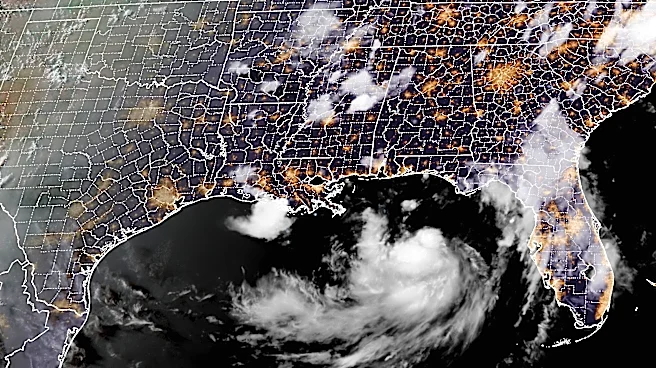
The simultaneous occurrence of El Niño and a potential Atlantic La Niña could create complex weather patterns, affecting regions differently. In the U.S., this could mean fewer hurricanes in the Atlantic due to reduced cyclone activity, while the Pacific may experience more intense cyclones. Understanding these interactions is crucial for weather forecasting and preparing for potential impacts on agriculture, infrastructure, and public safety.
What's Next?
Scientists will continue to monitor sea-surface temperatures and atmospheric conditions to confirm the presence of an Atlantic La Niña. Further data collection and analysis will help determine the potential impacts and guide preparations for affected regions. Stakeholders, including governments and emergency services, may need to adjust their strategies based on updated forecasts.