







What's Happening?
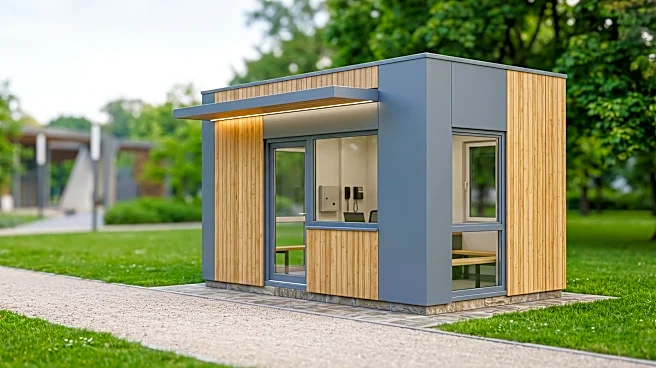
The city of Columbus, Georgia, has significantly enhanced public safety by installing 30 new Automated External Defibrillators (AEDs) across its parks and trails. This initiative aims to provide immediate life-saving equipment in public recreational areas,
increasing the chances of survival for individuals experiencing sudden cardiac arrest. The deployment of these devices is a proactive measure to ensure that critical medical intervention is readily available in locations frequently used by the community for exercise and leisure. This move is part of a broader effort to improve health infrastructure and emergency preparedness within the city's public spaces. The addition of these AEDs is expected to benefit residents and visitors alike, offering a crucial resource during medical emergencies in outdoor settings.
Why It's Important?
The installation of 30 AEDs in Columbus, Georgia's parks and trails is a vital step in public health and safety. Sudden cardiac arrest can occur anywhere, and the immediate availability of an AED significantly increases survival rates. By placing these devices in high-traffic recreational areas, the city is directly addressing a critical gap in emergency response times for cardiac events that happen away from traditional medical facilities. This initiative not only provides life-saving equipment but also fosters a safer environment for community members engaging in physical activities. It underscores a commitment to public well-being and could serve as a model for other municipalities looking to enhance emergency preparedness in their public spaces. The presence of AEDs can empower bystanders to act quickly, potentially saving lives before professional medical help arrives.
What's Next?
Following the installation of the 30 AEDs, the city of Columbus, Georgia, will likely focus on public awareness campaigns to inform residents about the locations of these new devices and how to use them. Training programs for park staff and regular users on AED operation and basic life support may also be implemented to maximize the effectiveness of this initiative. Additionally, ongoing maintenance and regular checks of the AEDs will be crucial to ensure they remain in working order. The success of this program could lead to further expansion of AED placement in other public areas or a review of existing emergency response protocols to integrate these new resources more effectively. The community can anticipate continued efforts to enhance public safety and health infrastructure.
Beyond the Headlines
The deployment of AEDs in public parks and trails in Columbus, Georgia, extends beyond immediate emergency response; it represents a broader shift towards community-centric health initiatives. This move highlights the increasing recognition of public spaces as critical environments for health interventions, moving beyond traditional healthcare settings. It also raises questions about the role of civic responsibility in emergency preparedness and the potential for technology to empower ordinary citizens as first responders. This initiative could foster a culture of readiness and mutual aid within the community, encouraging more people to learn life-saving skills. Furthermore, it underscores the ethical imperative of ensuring equitable access to life-saving equipment, particularly in areas where rapid professional medical response might be challenging.