


What's Happening?
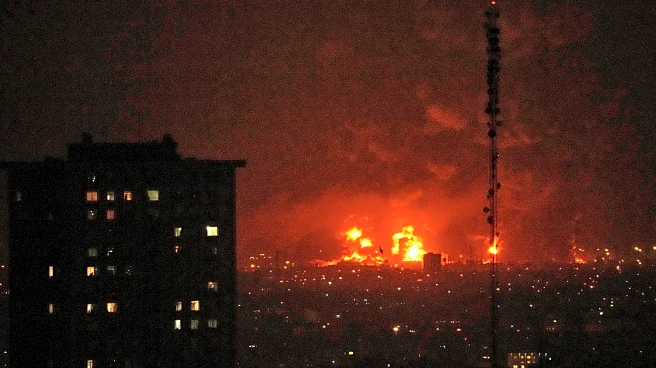
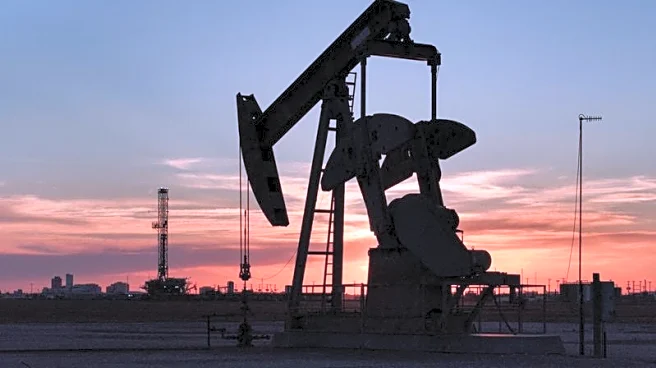
Recent geopolitical tensions involving the US and Israel's actions against Iran have led to significant disruptions in energy markets, particularly affecting Europe. The price of oil has surged past $100 per barrel, driven by threats to critical shipping
routes like the Strait of Hormuz, which is vital for global oil transport. In response, G7 finance ministers held an urgent meeting to discuss potential measures, including the possibility of tapping into emergency oil reserves, although no specific actions were agreed upon. The rising energy prices are causing concern across Europe, with natural gas prices also climbing significantly.
Why It's Important?
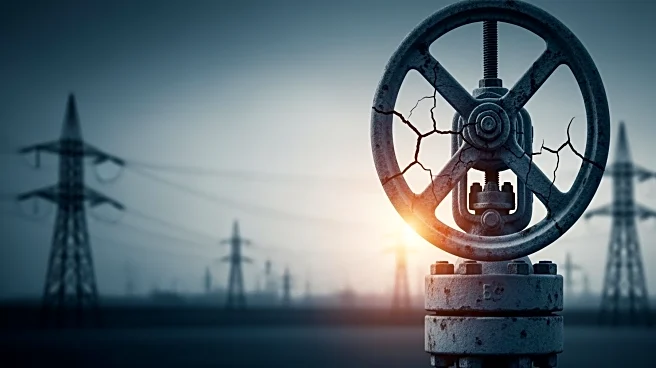
The escalation in energy prices due to the Middle East conflict has far-reaching implications for European economies, which are already grappling with inflationary pressures. The increase in oil and gas prices can lead to higher costs for consumers and businesses, potentially slowing economic growth and increasing the cost of living. European leaders are under pressure to find solutions to mitigate these impacts, as energy security becomes a critical issue. The situation underscores the interconnectedness of global energy markets and the vulnerability of economies to geopolitical events.
What's Next?
European leaders will likely continue to monitor the situation closely, seeking diplomatic solutions to ease tensions in the Middle East. The G7 may consider coordinated actions to stabilize energy markets, such as releasing strategic reserves or negotiating with other oil-producing nations to increase supply. The European Union may also explore long-term strategies to reduce dependency on volatile energy sources, potentially accelerating the transition to renewable energy. The ongoing conflict and its impact on energy prices will remain a key focus for policymakers and economic stakeholders.