





What's Happening?
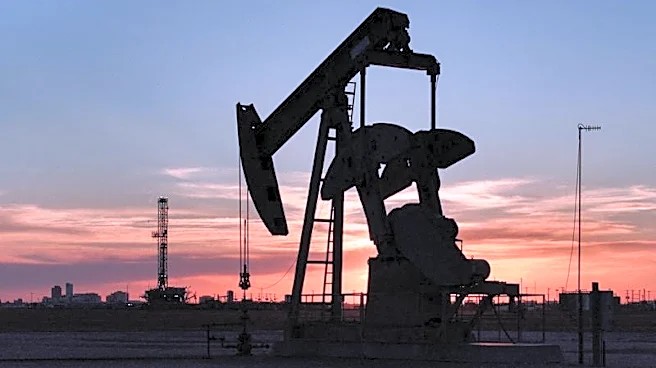
China is positioned to benefit from the ongoing Iran conflict, which has disrupted global energy supplies and accelerated a shift towards renewable energy. The closure of the Strait of Hormuz, a critical passage for oil and gas, has led to energy shortages
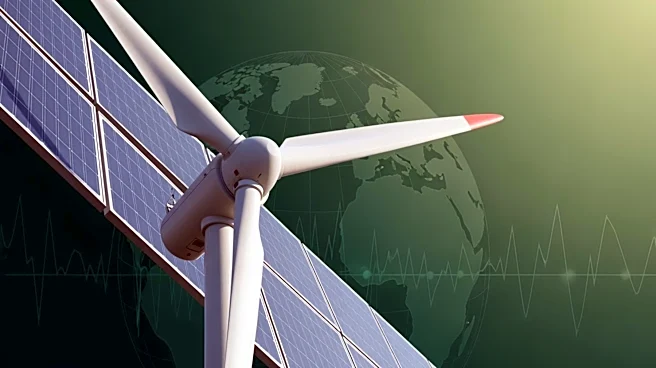
in Asia and increased gasoline prices in the U.S. and Europe. Despite being a major purchaser of Iranian oil, China is expected to capitalize on the situation due to its dominance in the production and export of batteries, solar panels, and electric vehicles. The demand for these renewable products is anticipated to rise as countries seek alternatives to fossil fuels. Chinese companies like BYD and Contemporary Amperex Technology Co. are well-placed to meet this growing demand, further solidifying China's leadership in clean technology.
Why It's Important?
The shift towards renewable energy, accelerated by the Iran conflict, highlights the strategic advantage China holds in the global energy market. As countries face the fragility of fossil fuel supplies, China's investment in renewable technologies positions it as a key player in the transition to clean energy. This development could challenge the U.S. energy sector, which has traditionally focused on fossil fuels under policies promoting energy dominance. The increased demand for Chinese renewable products could lead to economic gains for China while potentially disadvantaging American car manufacturers globally. The situation underscores the geopolitical and economic implications of energy policy decisions and the growing importance of renewable energy in global trade alignments.
What's Next?
As the conflict continues, countries heavily reliant on energy imports may increase their investment in renewable energy and battery storage solutions. This trend could lead to a sustained demand for Chinese renewable products, further boosting China's economic influence. In the U.S., high tariffs on Chinese electric vehicles may limit their market penetration, but rising fuel prices could drive domestic interest in renewable energy solutions. The ongoing energy crisis may prompt policymakers to reconsider energy strategies, potentially leading to increased support for renewable energy development. The situation also presents an opportunity for Chinese companies to expand their market presence in regions like Southeast Asia and Europe, where demand for clean energy solutions is growing.
Beyond the Headlines
The Iran conflict and its impact on global energy markets highlight the broader geopolitical dynamics at play in the transition to renewable energy. China's strategic focus on clean technology not only enhances its economic position but also aligns with its long-term national security goals. The situation raises questions about the future of global energy policies and the role of major powers in shaping the energy landscape. As countries navigate the complexities of energy security and environmental sustainability, the balance of power in the global energy market may shift, with significant implications for international relations and economic development.