





What's Happening?
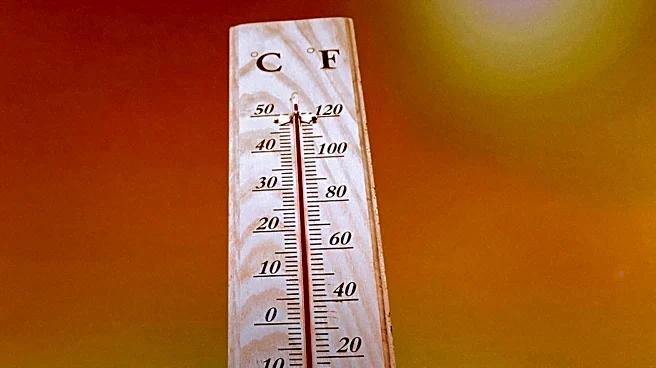
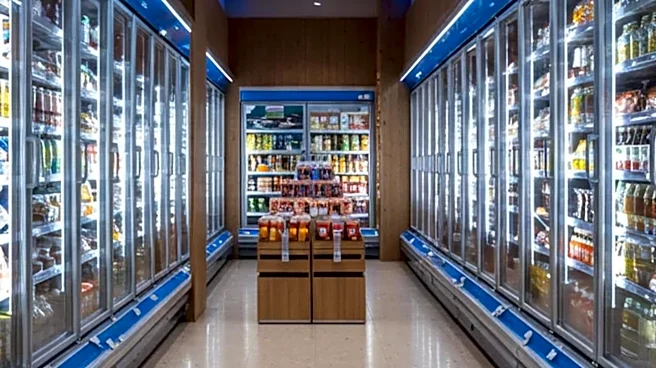
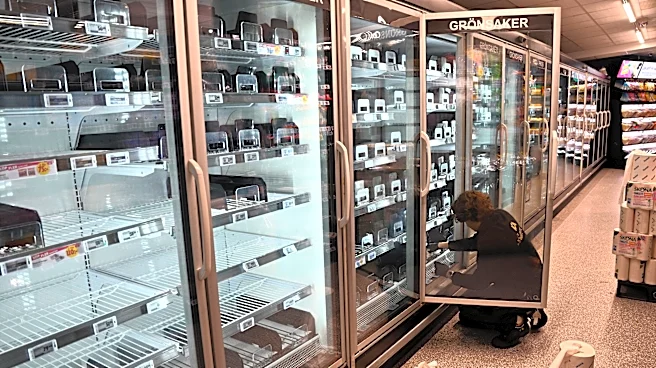
Cyberattacks have targeted commercial refrigeration systems across Europe, affecting UK food suppliers, supermarkets, and even French blood banks. Hackers have remotely manipulated temperatures, forcing equipment into defrost mode or raising temperatures significantly,
leading to substantial food spoilage. A British fruit and vegetable wholesaler reported six of its ten refrigeration units were compromised, and the Association of Independent Meat Suppliers confirmed several members were affected. In France, three regional blood banks were hit, though blood supplies were secured by staff moving products to unconnected refrigerators. These incidents highlight the vulnerability of the cold chain and critical infrastructure to digital breaches, with experts warning of potential food safety and national security implications. The attacks appear to be focused on disruption rather than financial gain, suggesting a motive to undermine food security and public confidence.
Why It's Important?
These cyberattacks on European refrigeration systems carry significant implications for the U.S., particularly regarding food security and critical infrastructure resilience. Former FBI Special Agent Nicole Parker has warned that similar attacks could occur in the United States, affecting grocery stores and other essential services. The U.S. food supply chain, like Europe's, relies heavily on interconnected and remotely managed refrigeration systems. A successful attack could lead to widespread food spoilage, supply chain disruptions, and economic losses for businesses. Beyond food, the targeting of French blood banks demonstrates the potential for cyberattacks to impact vital medical supplies, posing a direct threat to public health and national security. The incidents underscore the need for robust cybersecurity measures across all critical sectors in the U.S. to prevent similar disruptions and protect essential services.
What's Next?
In response to these growing threats, U.S. authorities and industries are likely to increase scrutiny of cybersecurity protocols for critical infrastructure, especially within the food and healthcare sectors. The Army Criminal Investigation Division's Cyber Field Office is already investigating refrigeration failures in military commissaries, indicating a proactive stance. Businesses will need to prioritize mapping their technology estates, implementing stronger access controls, and regularly testing their incident response plans. Experts recommend that companies treat cold-chain technology as critical infrastructure and prepare for potential disruptions. There will likely be a push for enhanced collaboration between government agencies and private sector entities to share threat intelligence and develop more resilient systems against sophisticated cyber threats, potentially involving new regulations or industry standards for cybersecurity in operational technology.
Beyond the Headlines
The European refrigeration system cyberattacks reveal a deeper shift in the landscape of geopolitical conflict, where critical infrastructure, particularly food and health supply chains, are becoming targets. These attacks, which appear to prioritize disruption over financial gain, suggest a strategy aimed at sowing chaos and undermining public confidence in essential services. This raises ethical questions about the nature of modern warfare and the protection of civilian infrastructure. The reliance on outdated software and poorly secured remote connections across industries creates systemic vulnerabilities that could lead to long-term shifts in how businesses and governments approach digital security. The incidents highlight the need for a comprehensive re-evaluation of operational technology security, moving beyond traditional IT security to encompass all connected physical systems that underpin daily life and national stability.