




What's Happening?
The European Commission, along with EU countries and the Energy Community secretariat, is addressing the oil security of supply situation in Europe due to ongoing conflicts in the Middle East. The EU is coordinating its approach to manage potential disruptions,
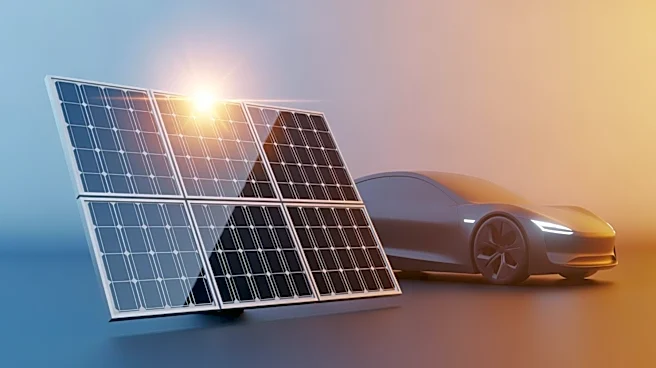
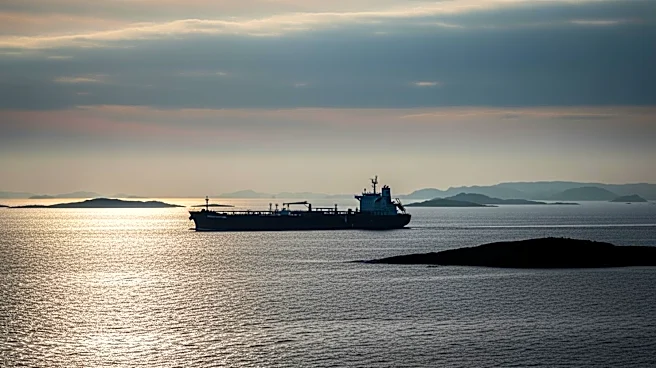
with emergency stocks available if necessary. The Oil Coordination Group is meeting regularly to ensure a coordinated response to any developments. Although there are currently no fuel shortages, the blockage of oil supplies via the Straits of Hormuz could lead to regional supply constraints. The European Automobile Manufacturers’ Association (ACEA) notes that the oil crisis is affecting the vehicle market, with increased demand for electric vehicles.
Why It's Important?
The EU's proactive measures are crucial for maintaining energy security and economic stability in the region. The potential disruption of oil supplies could have significant impacts on fuel prices and availability, affecting industries and consumers. The situation underscores the importance of diversifying energy sources and increasing the adoption of renewable fuels and electrification. The EU's coordinated response aims to mitigate the impact of supply disruptions and support a transition to more sustainable energy solutions, which is essential for achieving climate goals and reducing dependency on volatile regions.
What's Next?
The EU will continue to monitor the situation and adjust its strategies as needed. The focus on electrification and renewable fuels suggests a long-term shift towards sustainable energy solutions. Policymakers may implement measures to lower electricity costs and incentivize renewable fuels, aligning with the EU's climate-neutral mobility goals. The ongoing conflict in the Middle East will likely influence future energy policies and international collaborations to ensure energy security and resilience.