




What's Happening?
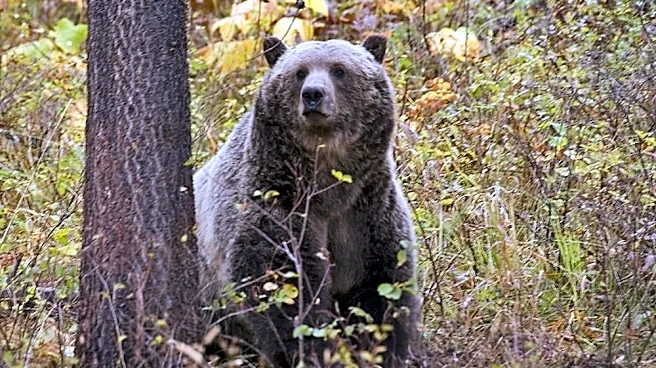
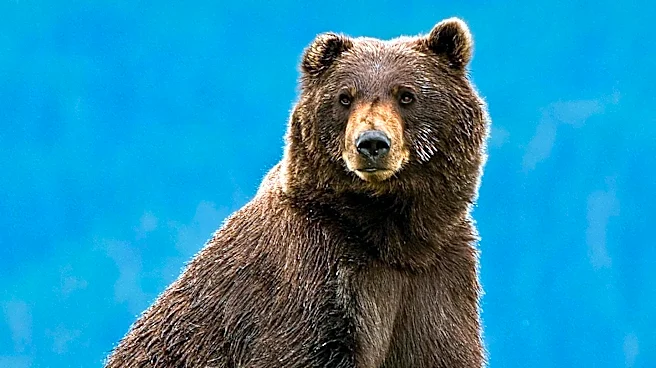
A grizzly bear was euthanized on Tuesday evening southwest of Augusta, Montana, after being linked to livestock depredation in the area. The bear was found feeding on a cow carcass on state land, approximately three miles from where an archery hunter
was attacked on Monday morning near Elk Creek. The hunter sustained significant but non-life-threatening injuries. The U.S. Fish & Wildlife Service, in agreement with the United States Department of Agriculture’s Wildlife Services and Montana Fish, Wildlife & Parks, made the decision to euthanize the adult female grizzly due to the repeated livestock depredations. While it is unknown if this was the same bear involved in the human attack, the hunter's encounter was deemed a surprise defensive incident, and no further action will be taken to locate that specific bear.
Why It's Important?
This incident highlights the ongoing challenges of managing human-wildlife conflicts in areas where grizzly bear populations overlap with agricultural and recreational activities. The decision to euthanize the bear, driven by livestock depredation, underscores the economic impact wildlife can have on local ranchers and the difficult choices wildlife agencies face in balancing conservation with human livelihoods and safety. The hunter's attack, though defensive, further emphasizes the inherent risks for individuals recreating in bear country. This situation is critical for local communities as it affects both their safety and economic stability, particularly for those involved in ranching. It also brings into focus the policies and inter-agency cooperation required to address such complex wildlife management issues.
What's Next?
Access to the state-owned land from Elk Creek Road remains closed due to the presence of additional cow carcasses, indicating continued efforts to manage the area and ensure public safety. Wildlife officials will likely continue to monitor the region for further bear activity and potential livestock depredation. Public advisories on bear safety, especially for hunters and outdoor enthusiasts, are expected to be reinforced. The incident may also prompt discussions among local authorities and land users about strategies to minimize future conflicts, such as improved livestock protection measures and enhanced public education on safe practices in bear habitats.
Beyond the Headlines
The euthanasia of the grizzly bear near Augusta, Montana, reflects a broader tension between human development and wildlife conservation. While the immediate cause was livestock depredation, the underlying issue is the increasing proximity and interaction between humans and large carnivores. This event raises ethical considerations about the value of individual animals versus the collective safety and economic well-being of human communities. It also highlights the complexities of wildlife management in a changing landscape, where habitat loss and human activity can push bears into closer contact with people. The incident serves as a stark reminder of the need for comprehensive strategies that include habitat preservation, public education, and effective conflict resolution to foster a sustainable coexistence between humans and wildlife.