






What's Happening?
Ancient DNA extracted from two melon seeds discovered at the Shuomen Gugang archaeological site in Wenzhou, eastern China, has provided new insights into melon cultivation during the Song Dynasty. The genomic analysis confirms these seeds belong to cultivated
melon, Cucumis melo, offering a detailed glimpse into their appearance, taste, and role in daily life approximately a thousand years ago. These seeds were found in waterlogged deposits linked to the Southern Song period, with one seed radiocarbon-dated to between AD 1020–1150. The Gugang site, an important port in maritime trading networks, also yielded remains of other plants like rice, peach, grape, and lychee, indicating a diverse food economy. Researchers attempted DNA extraction from 24 Cucumis seeds from three Chinese sites, but only two from Gugang provided sufficient genetic material for detailed analysis. Comparisons with nearly 300 modern melon genotypes showed that both ancient seeds were cultivated Chinese C. melo within the East Asian 'agrestis' gene pool, providing a genetic timestamp for cultivated melons in eastern China during the Song period.
Why It's Important?
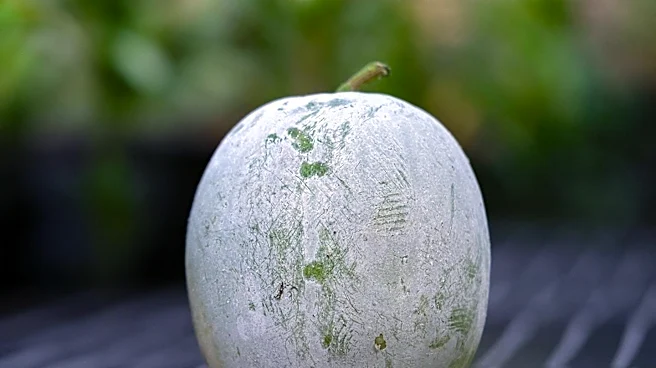
This discovery is significant for understanding the historical trajectory of agricultural development and food culture in East Asia. The genetic data allowed for the reconstruction of several fruit traits, revealing that these Song Dynasty melons likely did not possess orange flesh, with one seed indicating green flesh and the other a yellow or green-yellow peel. Both were probably non-climacteric varieties, meaning they wouldn't ripen significantly after harvest, and one seed showed a variant associated with reduced acidity. These characteristics suggest that these ancient melons were not the highly sweet dessert fruits common today but rather crisp, mildly sweet foods consumed fresh, as vegetables, pickled, or valued for their edible seeds. This contrasts with modern preferences for high sugar content and highlights how agricultural selection has evolved over centuries. The findings also connect botanical evidence with the visual culture of the period, as green-fleshed and yellow-skinned melons held symbolic and aesthetic value in East Asia, reflected in Song-period celadon ceramics often shaped like melons and glazed in jade-green tones.
What's Next?
While this research provides a secure genetic timestamp for cultivated melons in eastern China during the Song period, it does not fully resolve the much older history of melon domestication in China. Future research could focus on analyzing more ancient seeds from various periods and locations to trace the broader domestication patterns and genetic diversification of melons. Further archaeological excavations at sites like Gugang could uncover additional plant remains, offering a more comprehensive picture of ancient dietary practices and trade networks. The methodology of reconstructing traits from ancient genomes can be applied to other archaeological plant discoveries, potentially revealing how other cultivated fruits and crops looked, how they were consumed, and their connections to trade and cultural preferences in the past. This approach could lead to a deeper understanding of agricultural history and human-plant interactions across different civilizations.
Beyond the Headlines
The study's ability to reconstruct specific fruit traits from ancient DNA goes beyond mere identification of archaeological seeds, offering a unique window into the sensory experiences of people a millennium ago. It challenges modern assumptions about what constitutes a desirable fruit, showing that sweetness was not always the primary selection criterion. The connection between the genetic evidence and the visual culture, such as melon-shaped celadon ceramics, underscores the intertwined nature of food, art, and symbolism in historical societies. This interdisciplinary approach highlights how scientific analysis can enrich our understanding of cultural practices and aesthetic values. The findings also contribute to the ongoing debate about the origins of cultivated melons, suggesting introduction from a broader Asian domestication pool rather than independent domestication in China, though an extinct local wild ancestor cannot be entirely ruled out. This emphasizes the complex and often interconnected history of agricultural development across regions.