











What's Happening?
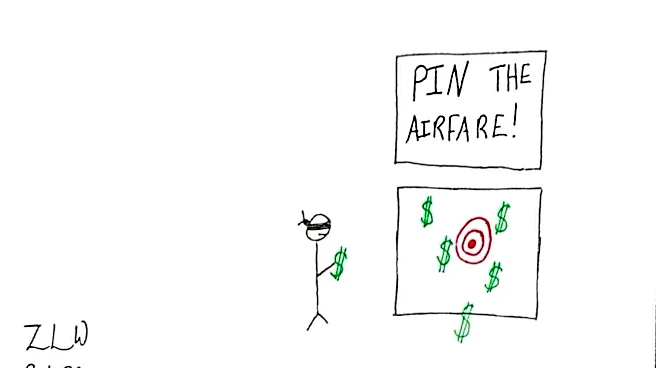
Airline pricing remains a complex and often frustrating aspect of travel, as highlighted by a recent experience where a traveler booked an international flight only to see the fare drop by hundreds of dollars shortly after. Experts explain that airline
pricing is intentionally opaque, with numerous factors such as flight timing, booking advance, and destination events influencing costs. Travel experts recommend booking flights that fit one's schedule and budget rather than waiting for the lowest price, as predicting fare changes is challenging. Tools like Google Flights and Expedia can aid in finding deals, but flexibility with dates and airports is crucial. Additionally, some airlines offer price drop protection, allowing travelers to rebook at lower prices without penalties.
Why It's Important?
The unpredictability of airline pricing affects travelers' ability to budget effectively for trips, potentially leading to overspending. This issue is significant for the travel industry, as it can impact consumer trust and satisfaction. The complexity of pricing models means that even industry experts struggle to predict fare changes, highlighting a need for greater transparency. For consumers, understanding these dynamics can lead to better decision-making and potentially cost savings. The availability of price drop protection and flexible booking options can mitigate some frustrations, but the overall lack of clarity in pricing remains a challenge.
What's Next?
Travelers are encouraged to use available tools and strategies to navigate the complexities of airline pricing. This includes utilizing fare comparison engines, being flexible with travel plans, and considering price drop protection options. As the travel industry continues to evolve, there may be calls for greater transparency in pricing models to enhance consumer trust. Airlines might also explore more consumer-friendly policies to maintain competitiveness and customer loyalty.