





What's Happening?
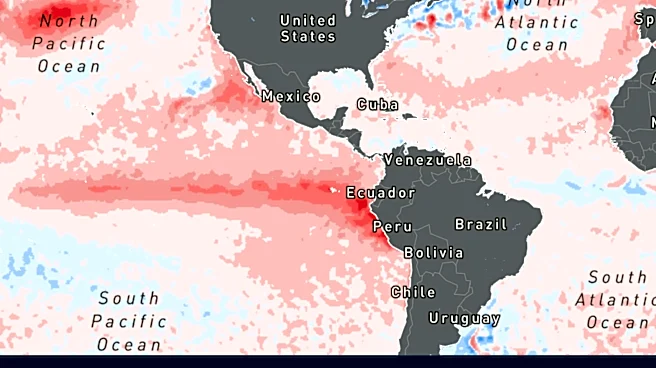
La Niña, the cooler phase of the El Niño-Southern Oscillation (ENSO) climate pattern, is typically associated with drier winters in California. However, recent research indicates that La Niña conditions can paradoxically fuel powerful atmospheric river
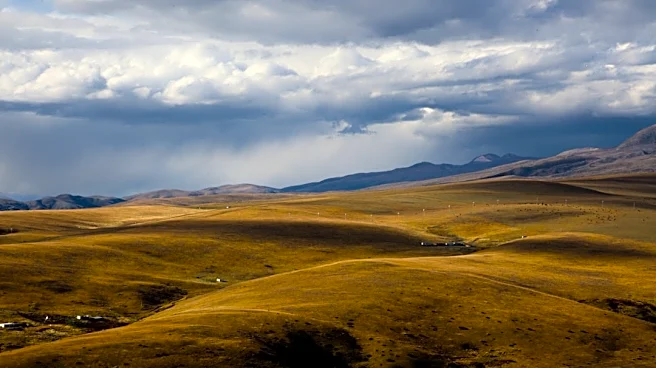
storms, leading to significant flooding and infrastructure damage on the U.S. West Coast. This connection was observed during the winters of 2016–2017 and 2022–2023, which saw record-breaking precipitation in California and neighboring states. These events were particularly striking because they occurred during La Niña, which usually brings less rainfall to the region. Scientists have discovered a link between heat on the Tibetan Plateau and these powerful storms, suggesting that global climate patterns can have far-reaching effects on U.S. weather. Additionally, La Niña conditions are tied to upwelled nutrients that can increase the frequency and toxicity of harmful algal blooms, such as those caused by Pseudo-nitzschia diatoms, which produce domoic acid and impact marine life and human health.
Why It's Important?
The understanding that La Niña can contribute to severe atmospheric river events challenges previous assumptions about its impact on California's water supply and flood risk. This shift in understanding is crucial for water management, urban planning, and disaster preparedness across the U.S. West Coast. The increased frequency of intense storms during La Niña winters means that communities need to prepare for potential widespread flooding, landslides, and damage to critical infrastructure, even in years traditionally expected to be dry. Furthermore, the link between La Niña and more toxic algal blooms poses significant risks to marine ecosystems, fisheries, and public health. The economic implications include increased costs for disaster relief, infrastructure repair, and potential losses in fishing and tourism industries due to contaminated seafood and affected coastal areas. This highlights the complex and often counterintuitive ways global climate patterns influence regional weather and environmental conditions.
What's Next?
Given the new understanding of La Niña's potential to trigger severe atmospheric river storms, future weather forecasting and climate modeling will need to incorporate these complex interactions more accurately. This could lead to revised flood risk assessments and updated emergency response protocols for states like California. Water management agencies may need to adjust their strategies for reservoir operations and water allocation, considering the possibility of extreme precipitation events even during La Niña years. Further research into the connection between the Tibetan Plateau and U.S. West Coast weather patterns will be essential for improving long-range forecasts. Additionally, monitoring and mitigation efforts for harmful algal blooms may need to be intensified during La Niña periods to protect marine life and ensure the safety of seafood consumption. Public awareness campaigns about the changing nature of La Niña's impacts could also become more prevalent.
Beyond the Headlines
The revelation that La Niña can lead to increased atmospheric river activity underscores the growing complexity and unpredictability of climate change impacts. This challenges the traditional, simplified view of climate phenomena and highlights the need for a more holistic understanding of global atmospheric and oceanic interactions. The connection between distant geographical features like the Tibetan Plateau and weather events on the U.S. West Coast illustrates the interconnectedness of Earth's climate systems, suggesting that regional climate strategies must consider global factors. Ethically, this places a greater responsibility on policymakers and scientists to communicate these nuanced risks to the public, ensuring that communities are adequately prepared for a wider range of potential weather extremes. Legally, it could influence how infrastructure projects are designed and approved, with a greater emphasis on resilience against unexpected climate-driven events. Culturally, it may foster a deeper appreciation for the intricate and often surprising ways in which our planet's systems operate.