



What's Happening?
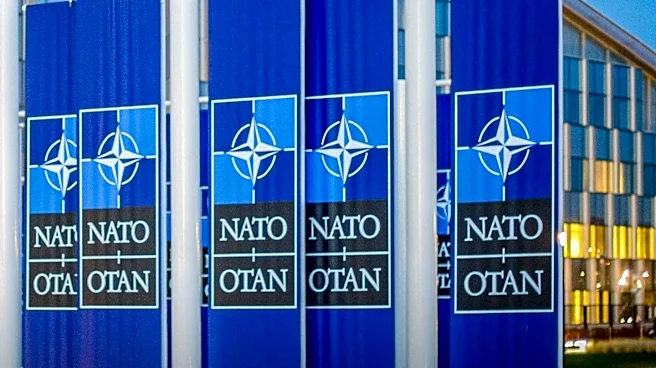
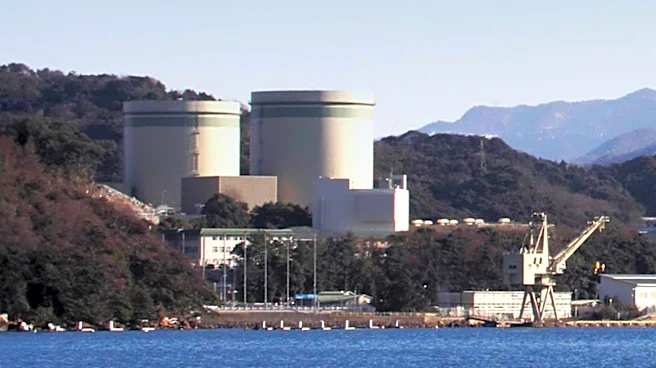
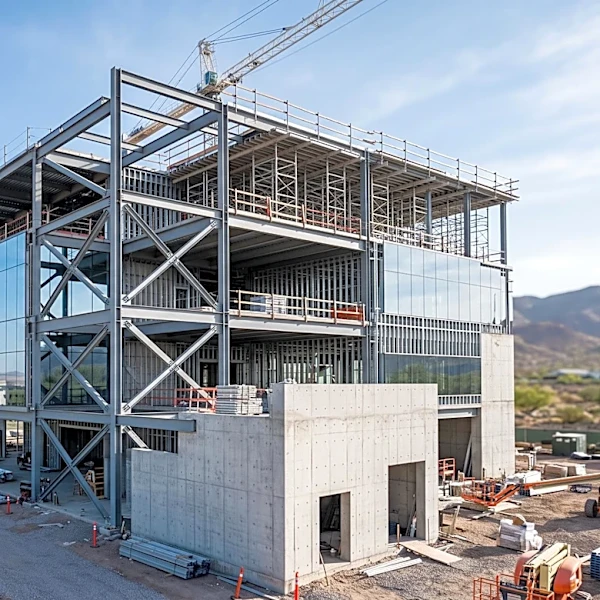
Russia's state-owned Rosatom is constructing the Akkuyu Nuclear Power Plant in Turkey, a NATO member, under an unusual 'build-own-operate' model. This arrangement means Russia is financing, designing, building, and will ultimately own and operate the plant,
which is set to provide approximately 10% of Turkey's electricity needs with its four 1.2GW reactors. The project, located in Mersin Province, has been underway since 2018, with the first reactor expected to go live by the end of 2026. Despite the project's scale and its importance to Turkey's energy diversification, the significant Russian control over critical infrastructure within a NATO country has sparked geopolitical concerns, especially given Russia's strained relations with other NATO states over its actions in Ukraine.
Why It's Important?
This project carries significant geopolitical implications for the U.S. and NATO. The fact that a NATO member state is allowing Russia to own and operate a critical energy infrastructure facility raises questions about energy security and potential Russian influence within the alliance. While Turkey asserts its right to diversify energy sources, the arrangement could be perceived as a vulnerability, especially if Russia were to leverage its control over the plant for political ends. Western sanctions against Russia have already impacted the project, causing delays due to the withholding of critical components like gas-insulated switchgear systems from Siemens Energy. This highlights the tension between Turkey's energy needs and its alliance commitments, potentially complicating NATO's unified stance against Russia.
What's Next?
The first reactor of the Akkuyu Nuclear Power Plant is scheduled to become operational by the end of 2026, with the full plant expected to be completed in the coming years. Turkey has plans for at least two more nuclear power plants, with Russia being one of the contenders for future projects, alongside South Korea, Canada, and China. The long-term implications of Russia's ownership and operation of the Akkuyu plant will unfold as it becomes fully operational. The project's progress and any future energy deals between Turkey and Russia will be closely watched by NATO allies, as they could influence regional stability and the dynamics within the alliance.
Beyond the Headlines
The Akkuyu project underscores the complex interplay between national energy security, economic interests, and geopolitical alliances. For Turkey, the plant represents a crucial step towards energy independence and reducing reliance on imported fossil fuels, aligning with its long-standing goal of diversifying its energy mix. However, the 'build-own-operate' model with Russia challenges traditional notions of national sovereignty over critical infrastructure, particularly for a NATO member. This situation could set a precedent or raise questions about the extent to which economic partnerships with geopolitical rivals can coexist with alliance commitments. The project also highlights the global competition for nuclear energy technology and construction, with various nations vying to provide solutions for countries seeking to expand their nuclear capabilities.