






What's Happening?
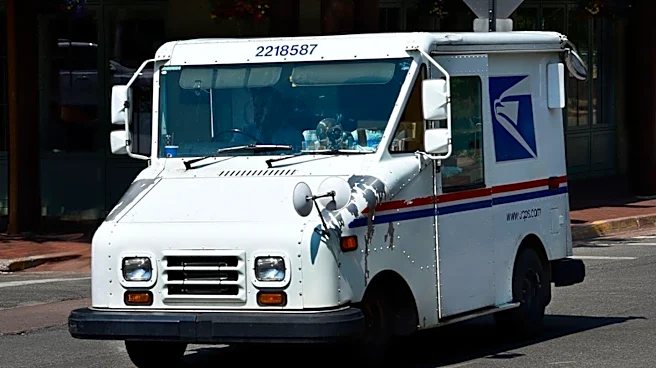
The U.S. Postal Service (USPS) has issued a warning to its employees regarding a surge in phone scams where criminals impersonate IT or Service Desk staff to steal login credentials. USPS explicitly states that it will never contact employees via phone,
text, or email to request passwords, multifactor authentication (MFA) codes, or direct them to external websites for login purposes. Employees are strongly advised against sharing their LiteBlue login information, as doing so could lead to unauthorized changes to their accounts. All suspicious activity should be reported to CyberSafe@usps.gov. Furthermore, USPS mandates that all employees enable MFA to access LiteBlue and their Self-Service Profile, recommending the registration of at least two MFA security methods. The agency also advises against using SMS/text messages for MFA whenever possible, citing it as one of the least secure authentication methods.
Why It's Important?
This warning from USPS is critical for safeguarding the personal and professional data of its vast workforce, as well as protecting the integrity of its internal systems. Phishing and impersonation scams are a significant cybersecurity threat, and if successful, they can lead to unauthorized access to sensitive employee information, payroll data, and potentially even operational systems. Such breaches could have severe consequences, including identity theft for employees, financial losses for the organization, and disruption of essential postal services. The emphasis on MFA and the recommendation against SMS-based authentication highlight the evolving landscape of cybersecurity best practices, urging employees to adopt more secure methods to protect their accounts. This initiative is vital for maintaining trust within the organization and ensuring the secure delivery of services to the public, especially given the critical role USPS plays in national infrastructure.
What's Next?
USPS employees are urged to immediately update their MFA settings and register at least two security methods, prioritizing options other than SMS. The agency will likely continue to disseminate internal communications and training materials to educate employees about these scam tactics and reinforce cybersecurity protocols. Increased vigilance from employees in reporting suspicious communications to CyberSafe@usps.gov will be crucial in mitigating these threats. Furthermore, USPS may explore implementing more advanced security measures and technologies to detect and prevent such impersonation attempts. The ongoing effort to strengthen employee cybersecurity awareness and practices is a continuous process, adapting to new threats as they emerge, to protect both the individual employees and the broader operational security of the U.S. Postal Service.
Beyond the Headlines
The USPS scam warning reflects a broader national trend of sophisticated cyberattacks targeting large organizations and their employees. These incidents underscore the vulnerability of even well-established institutions to social engineering tactics. Beyond the immediate threat to USPS employees, this situation highlights the critical need for robust cybersecurity education across all sectors. The recommendation to avoid SMS for MFA points to a growing recognition of the weaknesses in commonly used security measures and the need for continuous adaptation in digital defense strategies. This ongoing battle against cybercrime has significant implications for national security, economic stability, and individual privacy, as successful attacks can compromise critical infrastructure and sensitive data. The proactive stance by USPS, while reactive to current threats, contributes to a larger national effort to build a more cyber-resilient workforce and digital ecosystem.