





What's Happening?
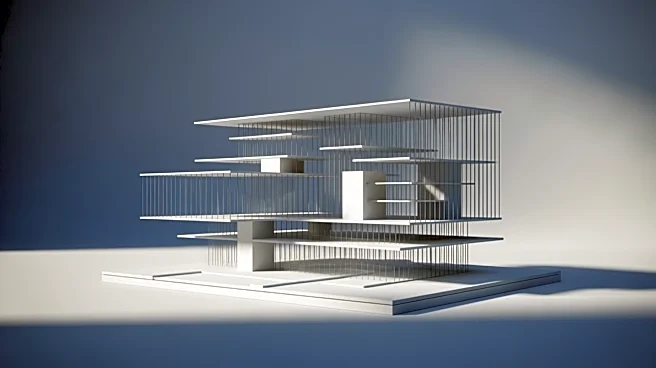
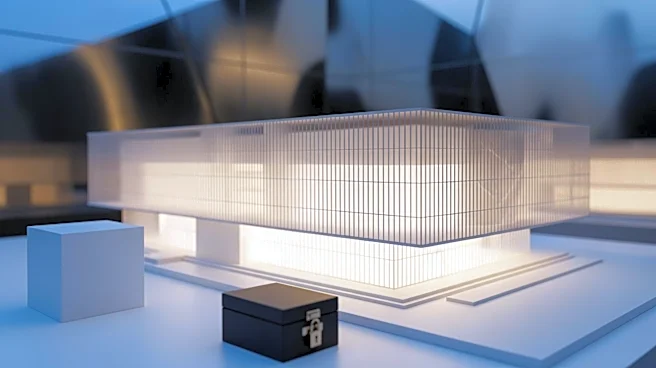
The Obama Presidential Center in Chicago is set to open on June 19, featuring a museum, public library, and community spaces, but notably lacking the traditional presidential archives. The center, controlled by the Obama Foundation, has opted for a fully
digital archive managed by the National Archives and Records Administration (NARA) in Maryland. This decision marks a departure from the federal presidential-library system, allowing the foundation to maintain control over the narrative presented. The center aims to offer a balanced view of Obama's presidency, including both achievements and challenges.
Why It's Important?
The Obama Center's approach reflects a shift in how presidential legacies are curated and presented. By maintaining control over the narrative, the Obama Foundation can ensure a more personalized and potentially biased portrayal of the presidency. This move raises questions about the role of federal oversight in preserving historical accuracy and public access to presidential records. The center's independence from NARA also highlights broader trends in the privatization of historical institutions and the potential implications for public trust and accountability.
What's Next?
As the Obama Center opens, it will need to navigate the challenges of maintaining financial sustainability and public engagement without federal support. The center's approach may influence future presidential libraries, particularly in how they balance private control with public accountability. Historians and scholars will likely continue to debate the implications of this model for historical preservation and the integrity of presidential legacies.