



What's Happening?
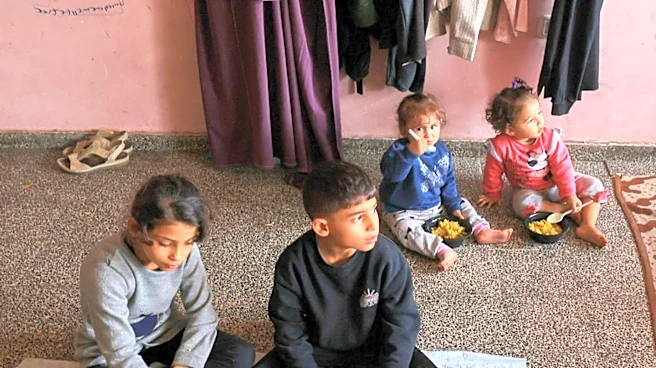
The World Food Programme (WFP) is actively working to combat hunger and improve food security worldwide, with a focus on climate change resilience. The organization is the largest humanitarian agency dedicated to fighting hunger and aims to achieve Zero
Hunger globally. WFP's efforts include providing food assistance in emergencies and working with communities to enhance nutrition and build resilience against climate impacts. The organization is committed to climate action, aligning its policies with international frameworks like the Paris Agreement. WFP's initiatives are crucial in addressing food security and nutrition issues, particularly in disaster-prone areas.
Why It's Important?
WFP's initiatives are vital in mitigating the effects of climate change on food security. By focusing on building resilient food systems, WFP helps communities adapt to climate-related challenges, ensuring that vulnerable populations, especially women and children, have access to nutritious food. This approach not only addresses immediate hunger needs but also contributes to long-term stability and prosperity. The organization's work supports global efforts to reduce hunger and improve food security, aligning with Sustainable Development Goals. WFP's role is critical in preventing acute hunger and promoting sustainable development in regions affected by climate change.
What's Next?
WFP plans to continue its efforts in strengthening adaptive capacities and climate-resilient food systems. The organization will work with national and state stakeholders to enhance food security and nutrition mechanisms in response to climate events. WFP's future initiatives will focus on improving community-level resilience and adaptation strategies, ensuring that food assistance reaches those in need. The organization will also invest in the personal and professional development of its employees to maintain a high-performing workforce capable of addressing global hunger challenges.