








What's Happening?
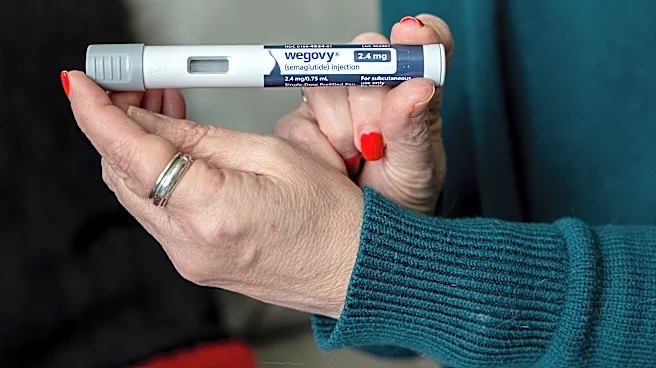
The discontinuation of GLP-1 medications, such as Ozempic and Wegovy, used for weight loss, can lead to significant changes in appetite and weight management. These drugs mimic a hormone that suppresses appetite, and stopping them often results in increased
hunger and potential weight regain. A study involving 125,000 patients found that nearly three-quarters of individuals discontinue these medications within two years, often due to side effects or insurance issues. Experts emphasize the importance of adopting sustainable lifestyle changes to maintain weight loss after stopping the medication.
Why It's Important?
The findings highlight the challenges associated with long-term weight management after discontinuing GLP-1 medications. These drugs have been effective in aiding weight loss, but their discontinuation can lead to a reversal of benefits, including weight regain and loss of cardiometabolic improvements. This underscores the need for comprehensive weight management strategies that include dietary and exercise interventions. The study also raises questions about the sustainability of pharmacological interventions for obesity and the importance of addressing underlying lifestyle factors.
What's Next?
Healthcare providers are encouraged to develop personalized plans for patients discontinuing GLP-1 medications, focusing on gradual tapering and the establishment of healthy habits. Further research is needed to explore alternative weight management strategies and the long-term effects of GLP-1 discontinuation. The development of new medications or combination therapies that offer sustained benefits without significant side effects could also be a focus for future research.