





What's Happening?
Washington State is experiencing the fastest rise in the cost of living across the United States, according to the "Prices We Pay" report by the Washington Roundtable and Kinetic West. The state now ranks as the fifth most expensive in the nation, trailing
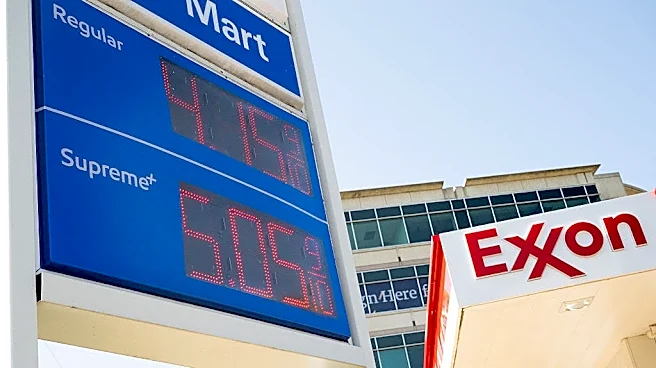
only California, New Jersey, Hawaii, and Washington, D.C. The report highlights that Washington's relative prices have increased more than twice as fast as California's over the past decade. Key areas contributing to this surge include dining out (1st most expensive), gas prices (2nd most expensive at an average of $5.54 per gallon), buying a home (5th most expensive with an average price of $662,000), and groceries (7th most expensive, with families paying $151 more per month than the national average). Housing and utilities are also significant contributors to the financial pressure on residents.
Why It's Important?
The rapid escalation of the cost of living in Washington State has profound implications for its residents and economic landscape. For individuals and families, the increased expenses in essential categories like housing, groceries, and transportation are eroding disposable income, making it harder to save, invest, or maintain their standard of living. This can lead to financial stress, force residents to seek more affordable housing further from job centers, and potentially drive out lower and middle-income populations. For businesses, the high cost of living can translate into increased labor costs as employees demand higher wages to cope, potentially impacting competitiveness and growth. The state's attractiveness for new residents and businesses could also be affected if the trend continues, potentially shifting demographic and economic patterns. The report underscores a growing affordability crisis that demands attention from policymakers to ensure economic equity and sustainability within the state.
What's Next?
If the current trajectory continues, Washington State is projected to surpass other high-cost states, potentially becoming one of the most expensive places to live in the U.S. This trend suggests that residents will continue to face escalating expenses across various sectors, from daily necessities to major purchases like homes. Policymakers and local governments may face increasing pressure to address affordability issues through various measures, such as housing initiatives, wage adjustments, or tax reforms. Businesses might need to adapt to higher operational costs and potentially adjust compensation strategies to retain employees. For residents, the ongoing rise in costs will likely necessitate continued adjustments to household budgets and lifestyle choices. The report serves as a critical indicator for future economic planning and policy discussions within the state, highlighting the urgent need for strategies to mitigate the impact of rapidly increasing living expenses.
Beyond the Headlines
The rapid increase in Washington State's cost of living points to deeper societal and economic shifts. Beyond the immediate financial strain, this trend can exacerbate social inequalities, making it increasingly difficult for essential workers, young professionals, and fixed-income residents to afford to live in the state. This could lead to a brain drain or a shift in the state's demographic composition, impacting its cultural diversity and workforce dynamics. The environmental implications are also significant; as people move further from urban centers in search of affordable housing, commute times and carbon emissions could increase. Furthermore, the pressure on public services, such as transportation and infrastructure, will likely intensify. The situation in Washington State serves as a microcosm of broader national challenges related to housing affordability, inflation, and sustainable urban development, highlighting the complex interplay between economic growth and quality of life.