







What's Happening?
Clayton Seigle, a Senior Fellow at the Center for Strategic and International Studies (CSIS) and James R. Schlesinger Chair in Energy and Geopolitics, has expressed concerns regarding the ongoing conflict in Iran and its implications for China. Seigle emphasized
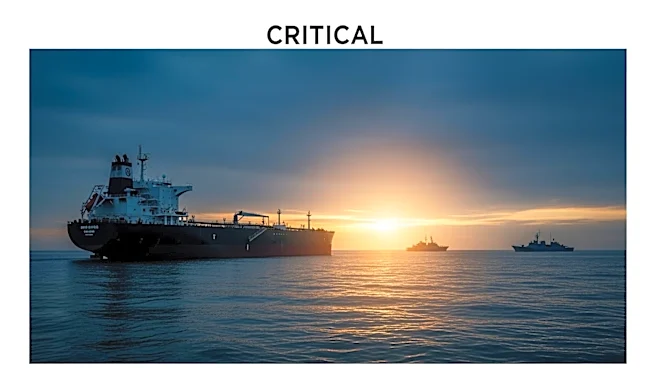
that China has significant stakes in the region, particularly if the Strait of Hormuz remains closed. This strategic waterway is crucial for global oil transportation, and its closure could severely impact China's energy security and economic interests. Seigle anticipates that China will likely increase its presence and influence in defense and trade agreements with Gulf nations to safeguard its interests.
Why It's Important?
The closure of the Strait of Hormuz poses a substantial threat to global oil supply chains, with China being one of the largest importers of oil from the Middle East. Any disruption could lead to increased energy costs and economic instability, not only for China but also for the global market. China's potential strategic moves to secure its interests in the Gulf region could alter geopolitical dynamics, affecting U.S. foreign policy and international relations. The situation underscores the interconnectedness of global energy markets and the potential for regional conflicts to have far-reaching economic and political consequences.
What's Next?
As the situation in Iran continues, stakeholders will be closely monitoring China's actions in the Gulf region. Increased Chinese involvement in defense and trade agreements could lead to shifts in alliances and power balances. The U.S. and other global powers may need to reassess their strategies in the Middle East to address the evolving geopolitical landscape. Additionally, the international community will likely focus on diplomatic efforts to resolve the conflict and ensure the security of vital maritime routes.