



What's Happening?
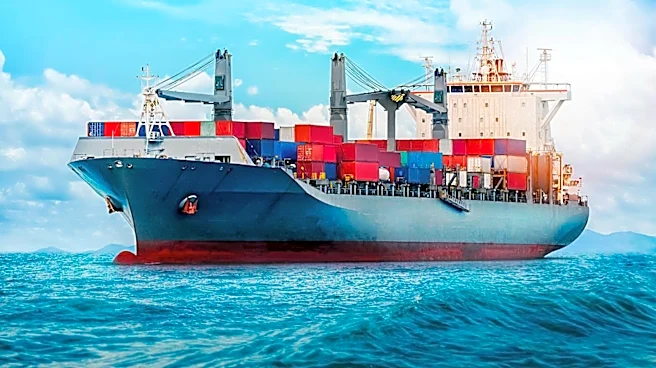
The Middle East is strategically positioned to enhance its role as a resilient trade hub amidst global supply chain disruptions. The region's significant capital, expanding transport infrastructure, and energy resources offer opportunities for deeper
regional integration. The focus is on creating a more connected and diversified trade base to absorb shocks and provide businesses with reliable operations. The region's strategic location at the intersection of Asia, Europe, and Africa positions it well to manage uncertainty and access multiple markets.
Why It's Important?
The Middle East's efforts to strengthen regional integration can mitigate the impact of global supply chain disruptions. By enhancing connectivity and diversifying trade routes, the region can reduce reliance on single corridors and create new channels for trade and investment. This approach not only supports economic growth but also enhances resilience against geopolitical and financial shocks. The region's ability to adapt to changing global dynamics will be crucial for maintaining economic stability and attracting investment.
What's Next?
Governments in the Middle East are investing in infrastructure, logistics zones, and digital platforms to support regional integration. The focus will be on improving customs coordination, harmonizing standards, and enhancing multimodal connectivity. As trade corridors evolve, links between the Gulf, Levant, Türkiye, Europe, Africa, and Asia will become increasingly important. The region aims to leverage public-private collaboration to strengthen its economic connectivity and resilience.