
What's Happening?
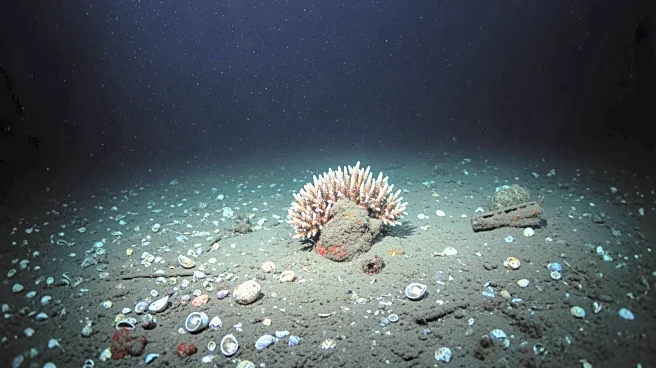
Research conducted by scientists from the Natural History Museum, the UK National Oceanography Centre, and the University of Gothenburg reveals significant biodiversity loss due to deep-sea mining. The
study, commissioned by The Metals Company, found a 37% reduction in animal populations in mined areas. The research highlights the environmental challenges of deep-sea mining, which remains controversial and is not yet permitted in international waters due to concerns about its impact on marine ecosystems.
Why It's Important?
The study raises critical questions about the sustainability of deep-sea mining, which is seen as a potential source of minerals for renewable energy technologies. The environmental impact of mining operations could threaten marine biodiversity and disrupt oceanic ecosystems. As demand for minerals increases, the findings emphasize the need for responsible mining practices and regulatory frameworks to protect marine life. The study could influence policy decisions and industry standards, shaping the future of deep-sea resource extraction.
What's Next?
The International Seabed Authority (ISA) will continue to assess the environmental impacts of deep-sea mining before allowing commercial operations. Companies may need to innovate less damaging extraction methods to comply with potential regulations. Environmental groups and policymakers will likely engage in discussions to address the ethical and ecological implications of deep-sea mining. The study's findings could lead to stricter guidelines and increased scrutiny of mining practices in international waters.