


What's Happening?
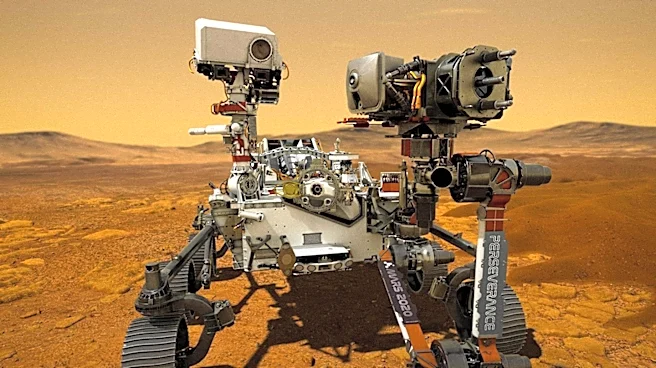
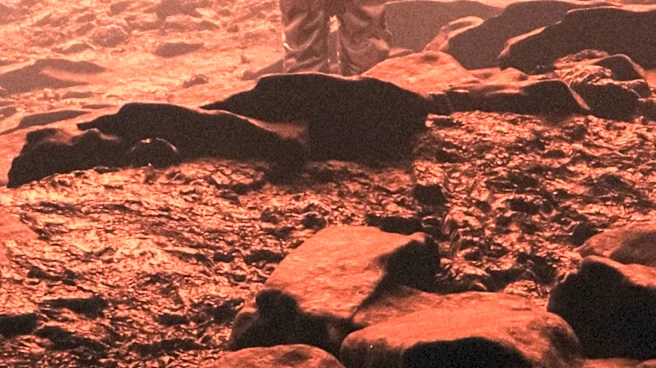
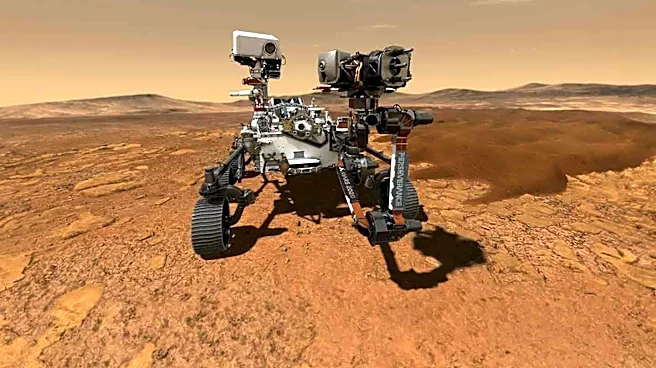
NASA has established a Martian Dust Limit Working Group to assess the safety of Mars dust exposure for future astronauts. The group, comprising toxicologists, volcanologists, geologists, and habitat designers, aims to set safety limits for dust inhalation.
Mars dust contains harmful substances like perchlorates, silica, and heavy metals, which pose health risks such as cancer. The group is exploring strategies to mitigate these risks, including habitat design and dust management techniques, to ensure astronaut safety during future Mars missions.
Why It's Important?
Understanding and mitigating the risks associated with Mars dust is crucial for the success of future manned missions to the Red Planet. The presence of toxic substances in Martian dust could jeopardize astronaut health and mission objectives. By establishing safety protocols and developing effective dust management strategies, NASA aims to protect astronauts and ensure the viability of long-term human presence on Mars. This research also informs the design of habitats and equipment, contributing to the overall safety and sustainability of space exploration.
What's Next?
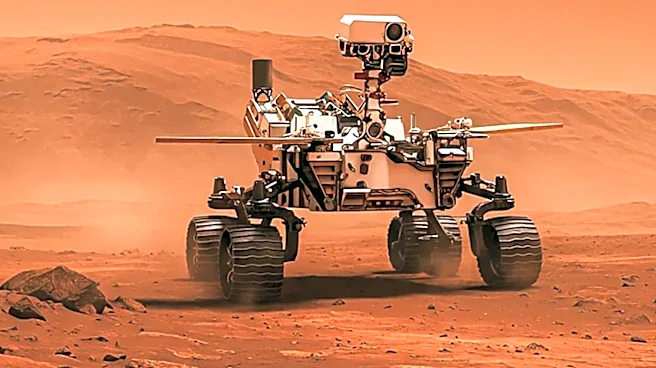
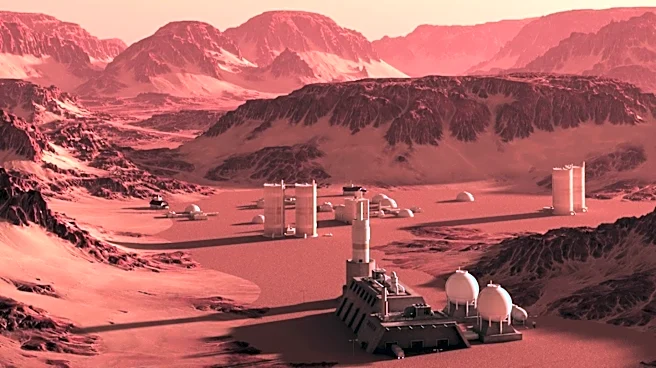
NASA will continue to refine its understanding of Mars dust hazards through ongoing research and collaboration with experts. The development of advanced dust management systems and protective measures will be prioritized in the design of future Mars habitats and equipment. As missions to Mars progress, NASA will implement these strategies to safeguard astronaut health and mission success.