
What's Happening?
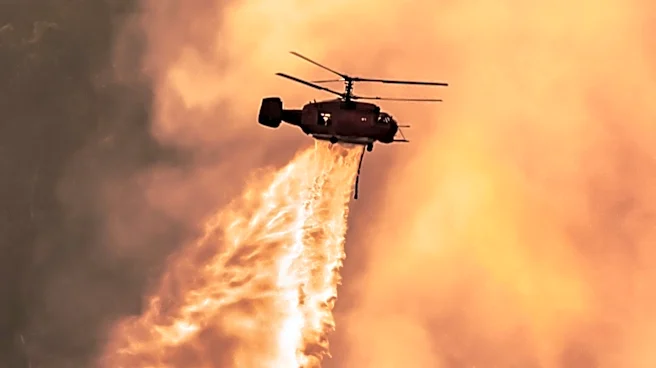
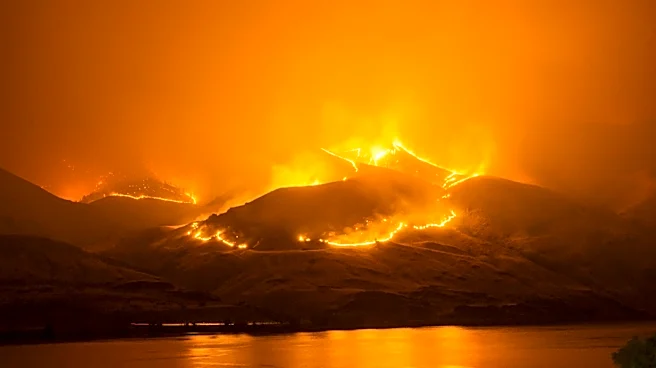
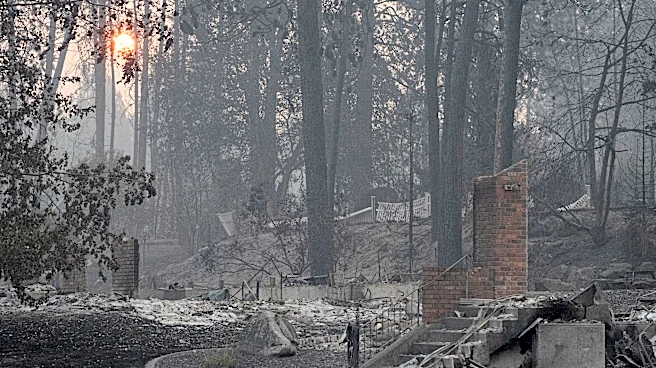
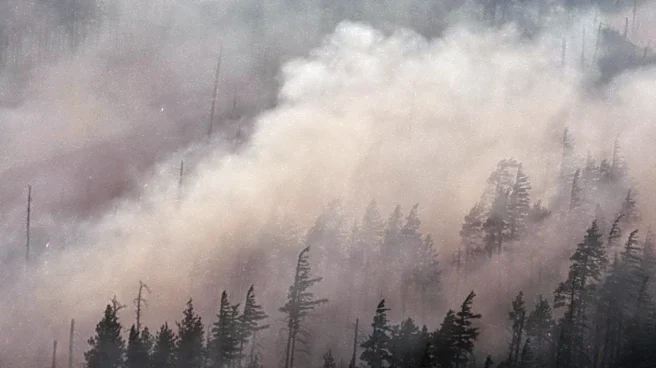
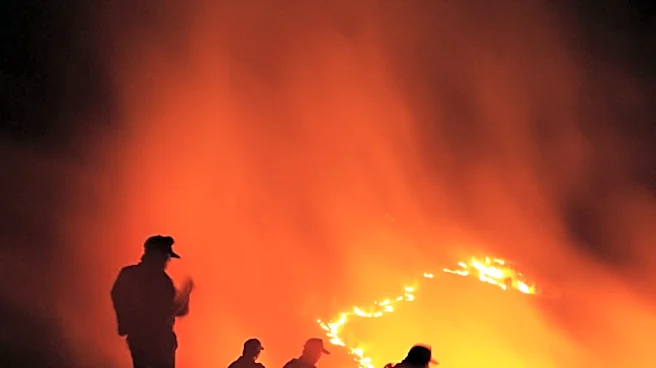
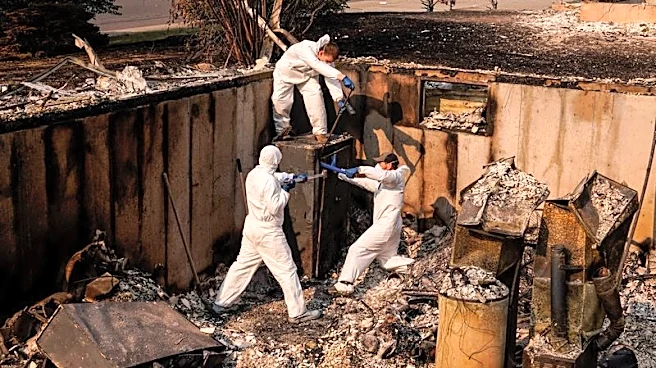
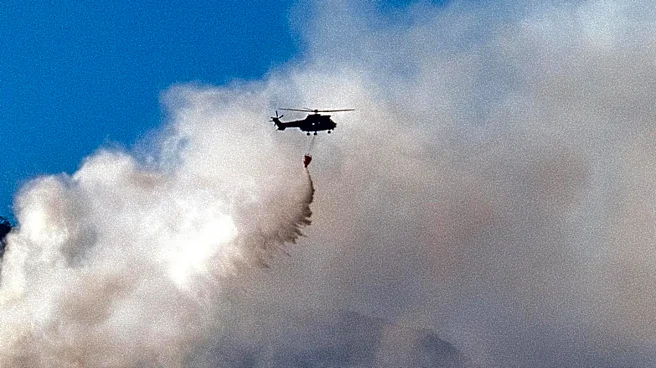
Fire crews in Spokane, Washington, are preparing for challenging weather conditions as they battle ongoing wildfires. The fires have already scorched over 10,000 acres and destroyed hundreds of homes. A brief respite in weather allowed crews to make progress,
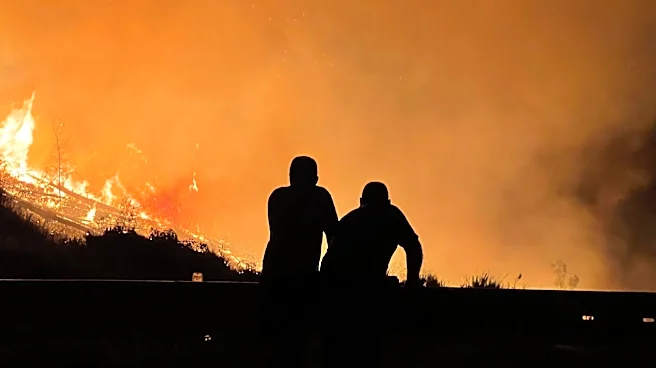
but upcoming winds and heat threaten to exacerbate the situation. Evacuation zones remain in place, and authorities have charged a Spokane resident with arson in connection with one of the fires. The region is experiencing its worst fire season in over 30 years, driven by climate change.
Why It's Important?
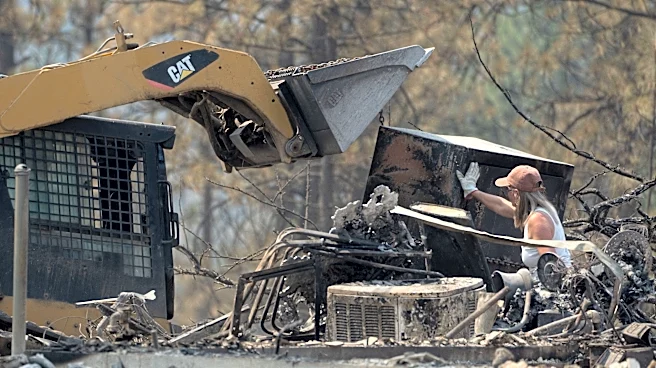
The ongoing wildfires in Spokane and the broader Pacific Northwest have significant implications for public safety, environmental health, and climate policy. The fires have displaced thousands of residents and caused extensive property damage, highlighting the urgent need for effective wildfire management and emergency response. The situation also underscores the impact of climate change on fire frequency and intensity, prompting discussions on mitigation and adaptation strategies. The economic and social costs of the fires are substantial, affecting local communities and state resources.
What's Next?
As fire crews continue their efforts, the focus will be on containing the blazes and preventing further damage. Authorities will monitor weather conditions closely, with the potential for additional evacuations if the situation worsens. The legal proceedings against the arson suspect will also unfold, potentially influencing public discourse on accountability and prevention. The fires may prompt policy discussions on climate resilience and the allocation of resources for firefighting and community protection.