







What's Happening?
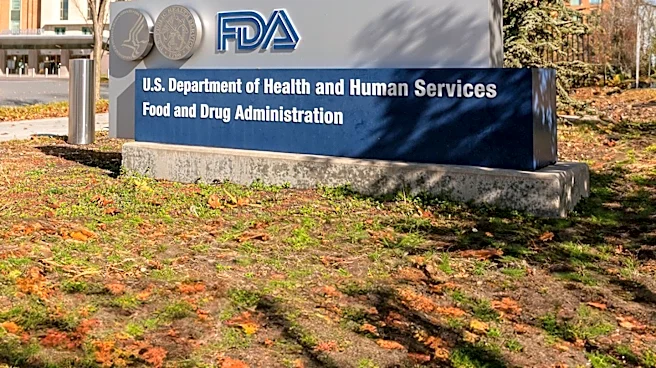
Several FDA-approved blood tests are now available to aid in the diagnosis of Alzheimer's disease, offering less invasive alternatives to traditional methods like specialized brain imaging or spinal fluid tests. These blood tests measure specific proteins
associated with Alzheimer's, namely amyloid and tau. For instance, the Lumipulse G p-tau217/β-Amyloid 1-42 Plasma Ratio test, approved for individuals aged 55 or older with symptoms, measures both p-tau217 and β-Amyloid 1-42. Lower than normal amyloid-beta levels combined with elevated p-tau217 can indicate Alzheimer's. The Elecsys p-Tau181 plasma test, approved for ages 55 and older, measures a different p-tau protein and can be used as a standalone tool to rule out amyloid buildup. Additionally, the PrecivityAD2 test, approved for adults 40 and older, measures two forms of amyloid and two types of tau, helping diagnose earlier-onset Alzheimer's. These tests are designed to provide a clearer picture of what is happening in the brain, especially when combined with quantitative brain imaging.
Why It's Important?
The availability of these FDA-approved blood tests marks a significant advancement in Alzheimer's diagnosis, particularly for the U.S. healthcare system. Previously, diagnosing Alzheimer's involved more invasive and often costly procedures with long wait times, creating barriers to early intervention. These new blood tests offer a more accessible and less invasive option, potentially leading to earlier diagnosis. Early diagnosis is crucial as it allows patients and their families to explore treatment options, participate in clinical trials, and plan for future care. For individuals experiencing symptoms, these tests can either confirm Alzheimer's-related brain changes, enabling timely treatment, or rule them out, alleviating anxiety. This shift towards blood-based biomarkers also reduces the perceived development risk in neuroscience, encouraging further investment and research into disease-modifying therapies.
What's Next?
The integration of these blood tests into routine clinical practice is expected to expand, particularly in primary care settings, making diagnosis more efficient. As more data becomes available, the precision and utility of these tests will likely improve, potentially leading to even earlier detection. Further research will focus on combining these blood tests with neuroimaging for a more comprehensive diagnostic approach. The development of these diagnostic tools is also expected to accelerate the development of new treatments, as more patients can be accurately identified for clinical trials. Patients with symptoms of Alzheimer's are encouraged to discuss these testing options with their healthcare providers to determine if they are appropriate, as the results can influence care decisions and treatment pathways.
Beyond the Headlines
The introduction of blood tests for Alzheimer's diagnosis represents a paradigm shift, moving towards a more proactive and personalized approach to neurological health. This development has broader implications for public health, potentially reducing the emotional and financial burden associated with late-stage diagnoses. However, it also raises questions about the ethical considerations of early diagnosis, such as the psychological impact on individuals receiving a positive result without immediate curative treatments. The accessibility and insurance coverage for these tests will be critical factors in their widespread adoption. Furthermore, the success of these diagnostic tools underscores the importance of continued investment in biomarker research, which could unlock similar advancements for other complex neurodegenerative diseases, transforming how these conditions are understood and managed.