






What's Happening?
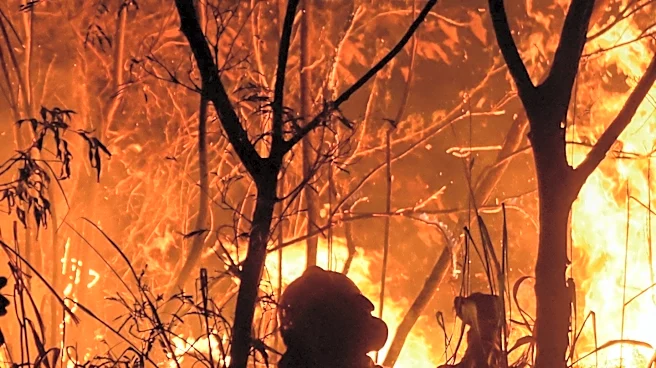
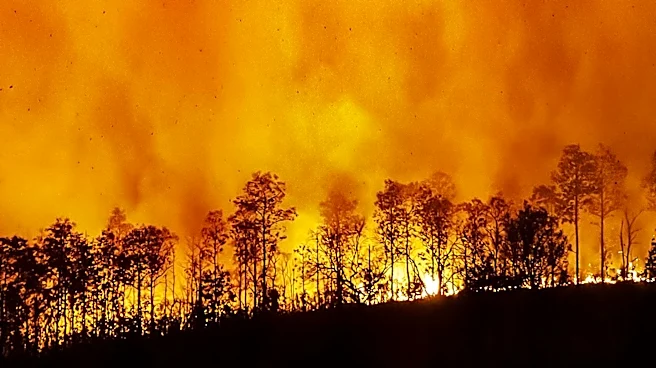
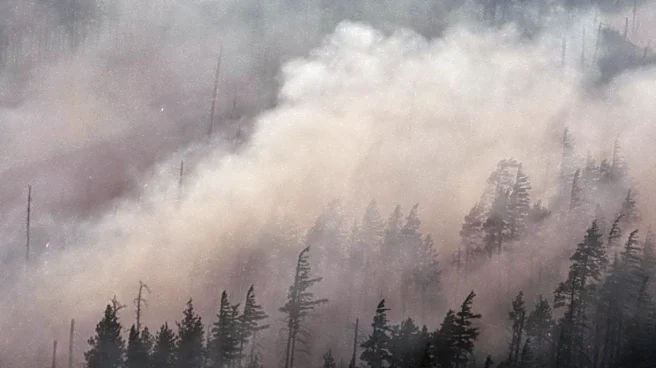
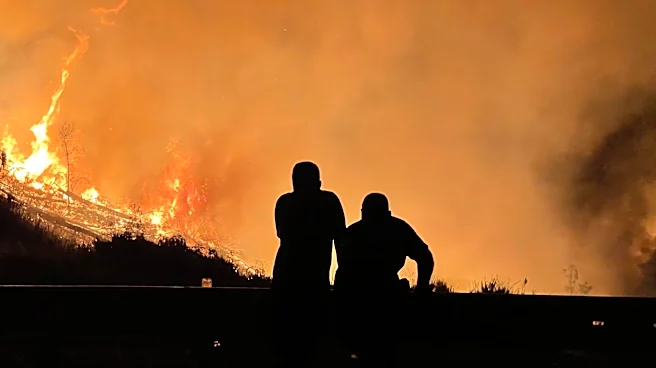
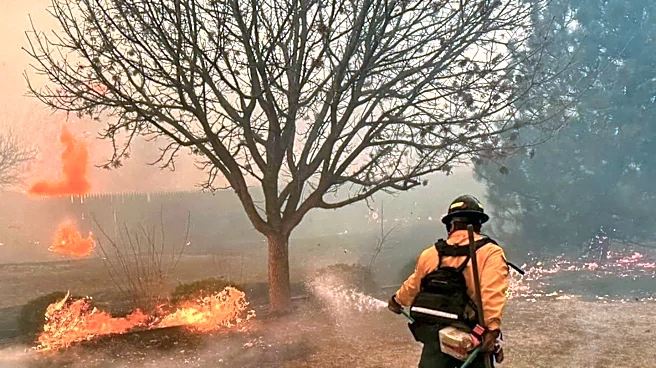
Smoke from wildfires in Utah and Colorado has led to frequent air quality warnings across the Western Slope, including advisories for 23 counties such as Pitkin, Eagle, and Garfield. Carlyn Porter, an epidemiologist with Pitkin County Public Health, suggests
using resources like airnow.gov to monitor the Air Quality Index and advises against strenuous outdoor activities when smoke is visible or detectable by smell. Porter emphasizes the importance of treating smoky air like adverse weather conditions, recommending low-stress activities and the use of HEPA air filters indoors. The Environmental Protection Agency warns that wildfire smoke can cause a range of health issues, from minor irritations to severe conditions like heart failure, with heightened risks for vulnerable populations.
Why It's Important?
The increasing frequency of air quality warnings due to wildfire smoke highlights the growing environmental and public health challenges in the region. The health risks associated with smoke exposure, particularly for children, the elderly, and those with pre-existing health conditions, underscore the need for effective public health strategies and individual precautions. The situation also reflects broader concerns about climate change and its impact on wildfire frequency and intensity, which could lead to more frequent and severe air quality issues in the future. This has implications for public health policy, emergency preparedness, and community resilience in affected areas.
What's Next?
As the wildfire season progresses, residents in affected areas may need to prepare for ongoing air quality advisories and adapt their daily activities accordingly. Public health officials are likely to continue issuing guidance and resources to help communities mitigate the health impacts of smoke exposure. Long-term, there may be increased advocacy for policies addressing climate change and wildfire management to reduce the frequency and severity of such events. Community awareness and preparedness will be crucial in managing the health risks associated with prolonged smoke exposure.
Beyond the Headlines
The recurring issue of wildfire smoke raises questions about the long-term health impacts on communities and the adequacy of current public health responses. It also highlights the need for sustainable environmental practices and policies to address the root causes of increased wildfire activity. The situation may prompt discussions on the balance between economic development and environmental conservation, as well as the role of technology and innovation in monitoring and mitigating air quality issues.