




What's Happening?
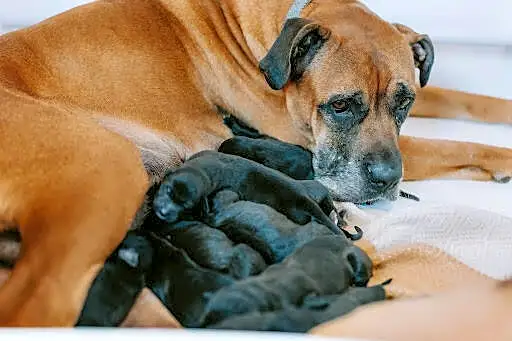
In Charles County, a discrepancy between animal regulations and zoning ordinances has created a licensing gap for individuals brokering puppies. While Chapter 230 of the animal regulations mandates a commercial animal establishment license for anyone
selling even one puppy as a business, the zoning ordinance only defines a commercial kennel as involving five or more animals. This leaves a regulatory void for operations with one to four animals. This issue came to light during an Animal Matters Hearing Board meeting where a Waldorf man, cited for brokering puppies without a license, highlighted the confusion and conflicting information he received from county officials regarding licensing requirements. The board found him in violation and imposed a $250 fine, held in abeyance for one year, acknowledging the need for clearer regulations.
Why It's Important?
This regulatory gap in Charles County has significant implications for small-scale animal brokers and the county's ability to effectively monitor and regulate animal sales. The lack of clear guidelines between one and four animals means that some commercial activities involving puppies may operate without proper oversight, potentially impacting animal welfare and consumer protection. The case of the Waldorf man illustrates the practical difficulties faced by individuals trying to comply with ambiguous regulations, as well as the challenges for enforcement agencies. This situation could lead to inconsistent application of laws, create loopholes for irresponsible breeding or brokering practices, and ultimately affect the health and safety of animals sold within the county. It also highlights the need for local governments to ensure their various ordinances are harmonized and clearly communicated to the public.
What's Next?
The Charles County Animal Matters Hearing Board and the Department of Planning and Growth Management are now tasked with addressing this discrepancy. The board's attorney has indicated that his office is working on resolving the issue, suggesting that revisions to the animal regulations and zoning ordinance are likely. This process will involve clarifying the definition of commercial animal establishments, setting clear licensing requirements for operations with fewer than five animals, and ensuring that all relevant county departments provide consistent information. The outcome of these revisions will directly impact small-scale puppy brokers, potentially requiring them to obtain specific licenses or adhere to new operational standards. The board members have been urged to contribute ideas for these rule revisions, indicating a collaborative effort to close the regulatory gap.
Beyond the Headlines
The Charles County licensing gap for small puppy brokers reflects a broader challenge in regulating the pet industry, particularly the segment involving smaller, often home-based, commercial operations. Unlike large-scale kennels, which are typically subject to more stringent zoning and licensing requirements, smaller brokers can sometimes fall through the cracks of existing regulations. This can lead to a lack of accountability regarding animal health, breeding practices, and sales transparency. The incident in Charles County could serve as a case study for other jurisdictions facing similar regulatory ambiguities, prompting them to review and update their own ordinances. It also raises questions about the balance between supporting small businesses and ensuring robust animal welfare standards, and the need for comprehensive regulatory frameworks that cover all scales of commercial animal activity.