
What's Happening?
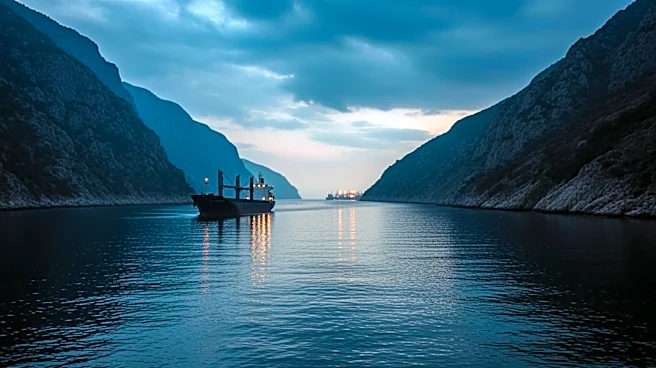
Fatih Birol, head of the International Energy Agency (IEA), has declared the current oil and gas crisis, triggered by the blockade of the Strait of Hormuz, as more severe than the crises of 1973, 1979,
and 2002 combined. The blockade, resulting from strikes by Israel and the U.S., has led to a significant disruption in energy supply, affecting about 20% of the world's oil and gas flow. This has caused a surge in energy prices, impacting European countries, Japan, Australia, and particularly developing nations, which face higher oil and gas prices, increased food costs, and accelerated inflation. In response, IEA member countries have agreed to release part of their strategic reserves to mitigate the crisis.
Why It's Important?
The crisis highlights the vulnerability of global energy supply chains and the significant impact geopolitical tensions can have on the economy. Developing nations are particularly at risk, facing increased costs and inflation, which could lead to economic instability and social unrest. The situation underscores the need for diversifying energy sources and investing in renewable energy to reduce dependence on volatile regions. The release of strategic reserves by IEA member countries is a temporary measure, emphasizing the urgency for long-term solutions to ensure energy security.
What's Next?
The ongoing crisis may prompt countries to accelerate their transition to renewable energy sources to reduce reliance on oil and gas from geopolitically unstable regions. This could lead to increased investments in renewable energy infrastructure and technology. Additionally, the situation may influence international energy policies and negotiations, as countries seek to secure stable and sustainable energy supplies.
Beyond the Headlines
The crisis raises ethical and strategic questions about the global reliance on fossil fuels and the need for a sustainable energy transition. It highlights the interconnectedness of global economies and the potential for geopolitical conflicts to disrupt economic stability. The situation may also lead to discussions on international cooperation and policy frameworks to address energy security and climate change.