

What's Happening?
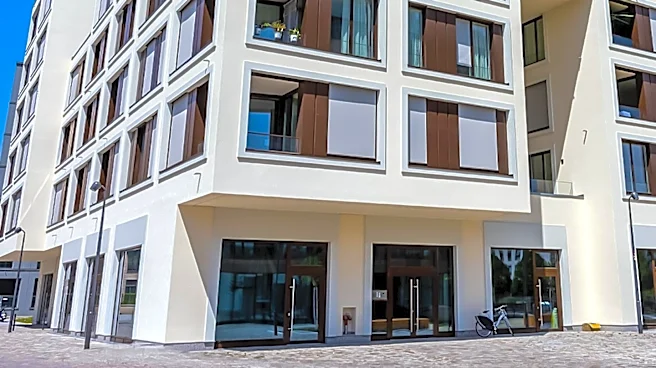
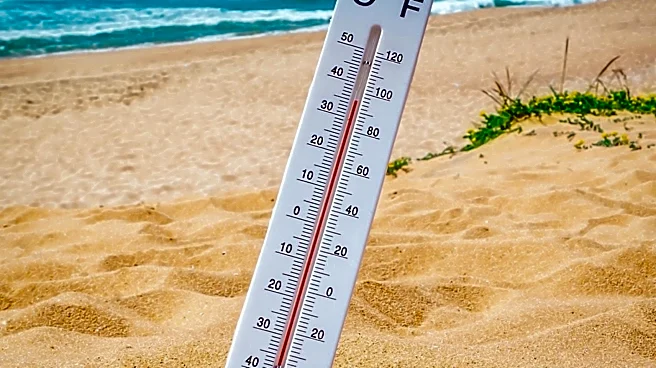
In Firminy, south-east France, residents of Le Corbusier's l’Unité d’Habitation are struggling with extreme heat conditions inside their homes. Designed in the 1960s, the building was not equipped to handle the current climate conditions, leading to temperatures
reaching 40°C inside. The building, a historical monument, cannot be easily modified to improve living conditions due to strict preservation rules. Residents have resorted to makeshift solutions like hanging blankets to block the heat, but these are insufficient. The situation highlights a broader issue of inadequate housing conditions for low-income residents in France, exacerbated by climate change.
Why It's Important?
This situation underscores the challenges of preserving historical architecture while ensuring livable conditions for residents. It raises questions about the balance between cultural heritage and modern living standards, especially as climate change intensifies. The plight of the residents reflects a broader class divide, where those in social housing are disproportionately affected by environmental changes. This case could prompt discussions on policy changes regarding the modification of historical buildings to adapt to new climate realities, potentially influencing housing policies across Europe.
What's Next?
The French government has proposed giving local councils more power to modify historic buildings, which could lead to changes in how such buildings are managed. This proposal is controversial, with critics fearing it could lead to a loss of cultural heritage. However, for residents of l’Unité d’Habitation, such changes could mean improved living conditions. The outcome of this proposal could set a precedent for how historical buildings are adapted to modern needs, balancing preservation with practicality.
Beyond the Headlines
The situation at l’Unité d’Habitation highlights the ethical dilemma of prioritizing historical preservation over residents' well-being. It raises questions about the responsibilities of governments and preservation bodies to ensure that historical buildings remain functional and safe for inhabitants. This case could lead to a reevaluation of how historical sites are managed, potentially influencing international standards for heritage conservation in the face of climate change.