





What's Happening?
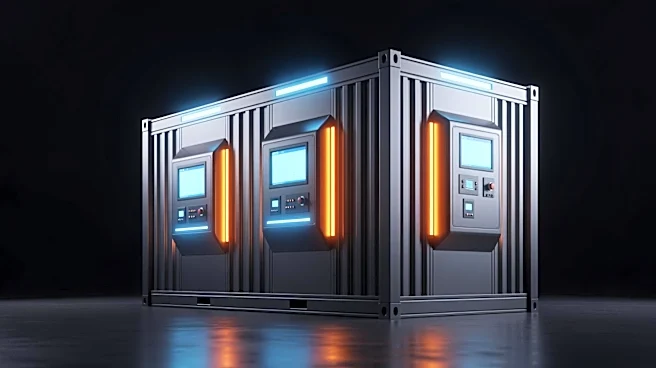
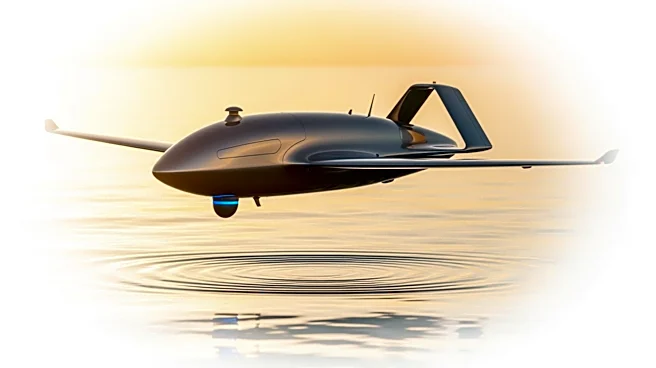
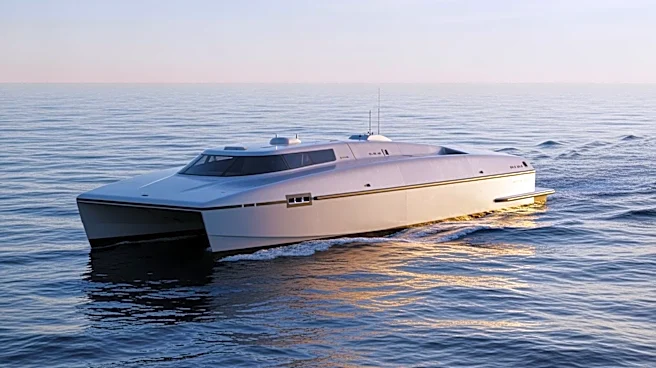
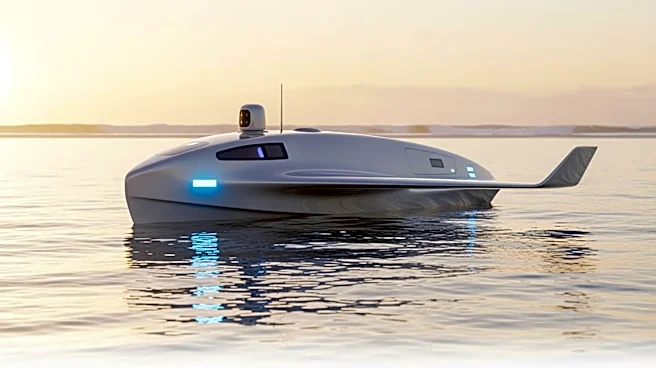
The US Navy is advancing plans to integrate Medium Unmanned Surface Vehicles (MUSVs) with specially engineered shipping containers to enhance contested logistics capabilities. Admiral Daryl Caudle, Chief of Naval Operations, highlighted the potential
of unmanned systems to transport parts and supplies autonomously, reducing risks to human personnel. The Navy is developing concepts of operations for MUSVs and exploring organizational structures to support their deployment. This initiative is part of a broader effort to leverage unmanned technologies for logistical efficiency and operational effectiveness.
Why It's Important?
The integration of MUSVs into naval logistics represents a significant shift towards autonomous operations, which could enhance the Navy's ability to sustain high-end operations in contested environments. By reducing reliance on manned vessels for supply transport, the Navy can minimize risks and increase operational flexibility. This development aligns with broader military trends towards automation and could influence future naval strategies and capabilities. The successful deployment of MUSVs could also drive innovation in unmanned technologies and logistics management.
What's Next?
The Navy will continue to refine its concepts of operations for MUSVs and develop the necessary infrastructure to support their deployment. This may involve establishing dedicated units or squadrons and investing in research and development to enhance the capabilities of unmanned systems. As the Navy progresses with this initiative, it will likely engage with industry partners and other military branches to share insights and best practices. The success of MUSVs could pave the way for further integration of autonomous systems across military operations.
Beyond the Headlines
The move towards unmanned logistics highlights the evolving nature of military operations and the increasing importance of technology in defense strategies. This shift could have broader implications for the defense industry, driving demand for advanced autonomous systems and related technologies. It also raises questions about the future role of human personnel in military logistics and the ethical considerations of deploying unmanned systems in contested environments.