







What's Happening?
The United States has selected Morocco as one of the priority countries for its 'Food for Progress' program in 2026. This initiative, managed by the USDA's Foreign Agricultural Service (FAS), aims to enhance agricultural productivity and trade in emerging
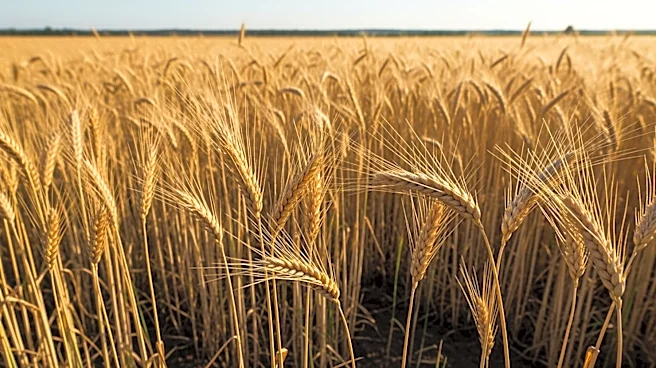
economies. The program will provide up to $226 million in new cooperative agreements for fiscal year 2026, supporting five-year projects with budgets typically ranging from $28 million to $35 million. The program's dual objectives are to improve agricultural productivity and expand trade in agricultural products. It operates through a trade-linked development model, purchasing bulk agricultural commodities from U.S. farmers and selling them in emerging markets, with the revenue funding development projects. Morocco's selection is attributed to its efforts in developing its agricultural sector and its role as a leading global supplier of phosphate fertilizers.
Why It's Important?
This initiative is significant as it strengthens U.S.-Morocco agricultural ties and supports Morocco's economic growth. The program not only aids in boosting Morocco's agricultural productivity but also opens new commercial opportunities for U.S. agricultural goods. Morocco's economy, projected to grow by 4.4% in 2026, is heavily supported by agricultural output, making this program crucial for sustaining and enhancing this growth. Additionally, Morocco's position as a major supplier of phosphate fertilizers, particularly to the U.S., underscores the strategic importance of this partnership. The program also encourages private sector participation and innovation, potentially leading to long-term economic benefits for both countries.
What's Next?
The implementation of the Food for Progress program will involve the establishment of cooperative agreements and the initiation of development projects in Morocco. These projects will focus on improving agricultural infrastructure and capacity building. The U.S. and Morocco will likely continue to strengthen their agricultural trade relations, with potential increases in U.S. agricultural exports to Morocco. Monitoring the program's impact on Morocco's agricultural sector and overall economic growth will be essential. Additionally, the program may serve as a model for similar initiatives in other emerging economies.