




What's Happening?
Governor JB Pritzker has formally requested a presidential major disaster declaration from the Federal Emergency Management Agency (FEMA) for McLean County and seven other Illinois counties. This request follows severe storms that impacted the state between
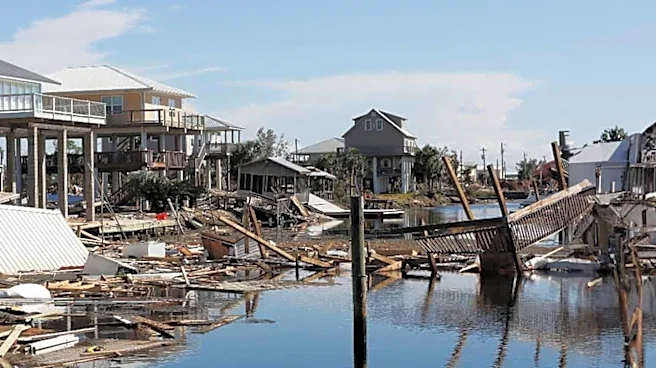
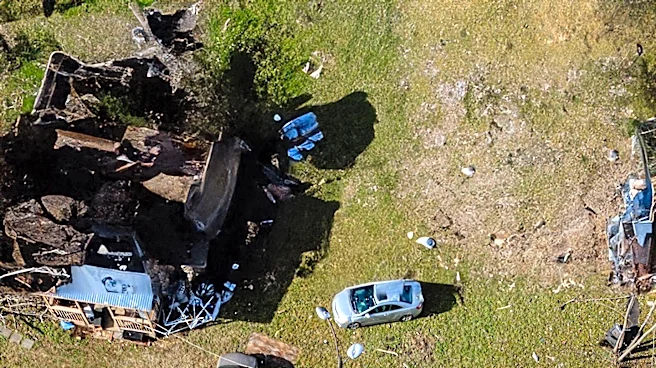
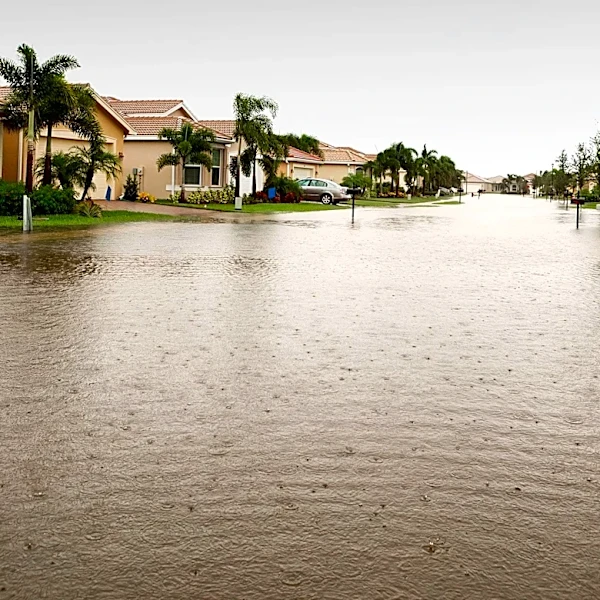
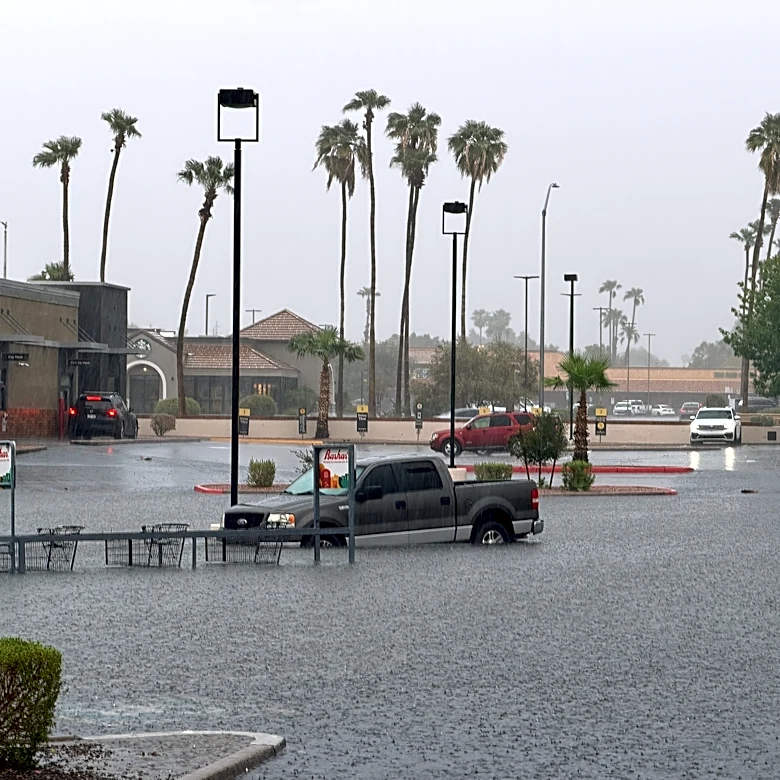
August 11 and 16, causing extensive damage. McLean County, specifically Bloomington-Normal, was hit particularly hard on August 13 and 14 with strong winds, heavy rains, and flooding. The McLean County Emergency Management Agency Director, Cathy Beck, reported over 400 residential damage claims and nearly two dozen business claims. The total estimated damages for the county have reached $42.5 million. Governor Pritzker had previously issued a gubernatorial disaster proclamation for the eight affected counties, which he has now extended to provide an additional 30 days of state support for local response and recovery operations. The other counties included in the request are Champaign, Ford, Tazewell, Cook, Fulton, Vermillion, and Will.
Why It's Important?
The request for a federal disaster declaration is crucial for Illinois as it unlocks vital resources for recovery efforts. If approved by FEMA, the declaration would make several federal programs available to residents and property owners in the affected counties. These programs include grant funding for temporary housing and home repairs, as well as low-interest loans to cover uninsured property damage. Furthermore, local governments and non-profit organizations would gain access to funding to assist with emergency response activities and debris removal. This federal aid is essential because the scale of destruction, as highlighted by Governor Pritzker, is significant, and the state believes it should not bear the recovery burden alone. The financial assistance would alleviate the economic strain on individuals and communities, helping them rebuild and restore normalcy more quickly. Without federal intervention, the recovery process would be considerably slower and more challenging, potentially leading to prolonged economic hardship for affected residents and businesses.
What's Next?
Following Governor Pritzker's request, FEMA will review the damage assessments and determine whether to approve the presidential major disaster declaration. Officials from FEMA, the Illinois Emergency Management Agency, and the Small Business Administration have already toured the storm-damaged areas in Bloomington-Normal to assess claims and identify unreported damage, which will inform FEMA's decision. If the declaration is granted, federal aid programs will become accessible to eligible residents, property owners, local governments, and non-profits in McLean and the other seven designated counties. This will initiate the process of distributing grants for housing and repairs, providing low-interest loans, and funding emergency response and debris removal operations. The extended gubernatorial disaster proclamation will continue to provide state-level support for local recovery efforts for an additional 30 days, bridging the gap until potential federal aid is approved and implemented. The focus will then shift to the efficient allocation and utilization of these resources to facilitate comprehensive recovery.
Beyond the Headlines
The process of seeking and receiving a federal disaster declaration highlights the complex interplay between state and federal governance in times of crisis. It underscores the limitations of state resources when faced with widespread natural disasters and the critical role of federal agencies like FEMA in providing a safety net. Beyond immediate financial relief, such declarations can have long-term implications for community resilience and preparedness. The experience of these storms and the subsequent recovery efforts may prompt a re-evaluation of local infrastructure, emergency response protocols, and urban planning strategies to better withstand future extreme weather events. It also brings to light the human element of disaster recovery, as residents grapple with displacement, property loss, and the emotional toll of rebuilding their lives. The collective effort required from individuals, local authorities, and state and federal agencies emphasizes the importance of coordinated disaster management and the shared responsibility in mitigating the impacts of climate-related events.