
What's Happening?
The Indian government has announced that it expects minimal damage to agriculture from the potential El Nino weather pattern this year. This confidence stems from enhanced irrigation infrastructure, higher
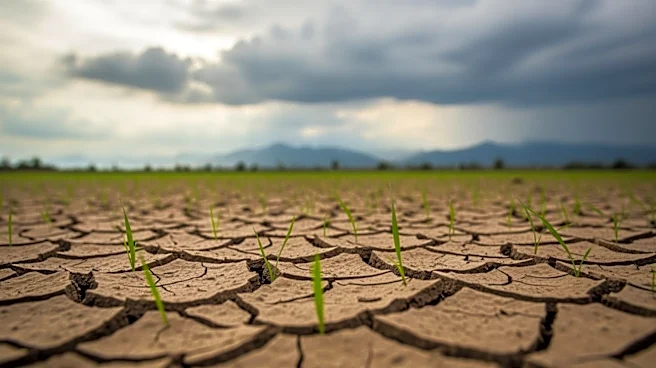
reservoir levels, and better-prepared farmers compared to previous El Nino events. Agriculture Minister Shivraj Singh Chouhan led a preparatory meeting for the Kharif crop season, which is crucial for India's annual farm output. The India Meteorological Department has predicted below-normal monsoon rainfall, with a risk of El Nino conditions. However, the government assures that the impact on agriculture will be limited, thanks to current water reserves at 127% of normal levels and secured seed stocks. The government has also implemented micro-irrigation networks, climate-resilient seed varieties, and early-warning systems to mitigate climate shocks.
Why It's Important?
This development is significant as India is a major global producer of rice and wheat, and agriculture is a vital part of its economy, affecting the livelihoods of millions. The government's proactive measures to counter potential El Nino impacts highlight its commitment to safeguarding the agricultural sector. By ensuring water availability and promoting drought-tolerant crops, India aims to maintain stable agricultural output, which is crucial for food security and economic stability. The measures also reflect a broader trend of adapting to climate change, which could serve as a model for other countries facing similar challenges.
What's Next?
The Indian government is preparing contingency plans at the district level to address any adverse weather conditions. These plans include promoting drought-tolerant crop varieties and delayed sowing strategies. A crop-weather monitoring mechanism is in place to facilitate quick responses, with coordination between the central and state governments. The final monsoon forecast is expected in late May, which will provide further clarity on the situation. The government's continued focus on climate resilience and infrastructure improvements will be critical in mitigating any potential impacts of El Nino.