




What's Happening?
Italian Prime Minister Giorgia Meloni issued a warning on Friday regarding increasing threats to civilian infrastructure, citing a series of cyberattacks and bomb alerts across Europe. Speaking in Verona, Meloni highlighted incidents such as hackers manipulating
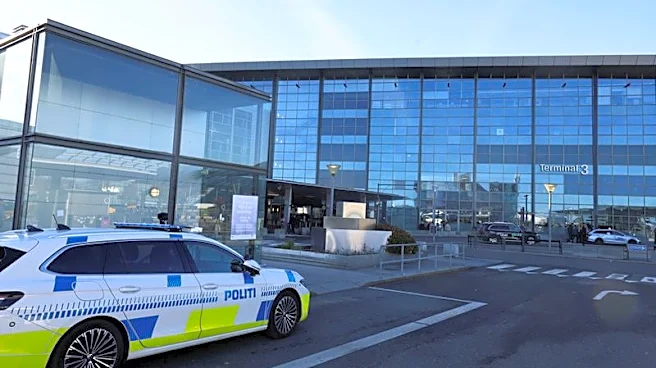
refrigeration systems in French supermarkets, causing food spoilage and fires, and similar disruptions in Belgium, Sweden, and Ireland. She also mentioned attacks on refrigeration equipment at French blood service facilities, though monitoring systems prevented material loss. Additionally, European aviation authorities have faced multiple bomb threats, including several involving flights in Italy. Meloni emphasized that while it's unclear if these incidents are connected, they collectively indicate that civilian infrastructures are currently under attack, raising significant concerns about the security of essential services.
Why It's Important?
The escalating threats to civilian infrastructure, as highlighted by Prime Minister Meloni, pose a critical risk to the stability and functioning of modern societies. Disruptions to essential services like food supplies, healthcare, and transportation can have severe economic and social consequences. For the U.S., these events underscore the global nature of cyber threats and the potential for similar attacks on its own critical infrastructure. The interconnectedness of global systems means that disruptions in Europe could indirectly impact U.S. supply chains, trade, and even national security. It also emphasizes the need for robust cybersecurity defenses and international cooperation to counter such sophisticated and widespread attacks, as the methods used could easily be replicated or adapted to target U.S. systems. The economic impact of spoiled goods, halted transportation, and compromised healthcare services could be substantial, affecting businesses and citizens alike.
What's Next?
Following Prime Minister Meloni's warning, increased scrutiny and efforts to bolster cybersecurity measures across Europe are anticipated. European Union member states may enhance intelligence sharing and collaborative defense strategies to counter these evolving threats. There could be a push for greater investment in resilient infrastructure and advanced threat detection systems. International bodies and national governments are likely to review and update their protocols for responding to cyberattacks and bomb threats targeting critical services. The U.S. will likely monitor these developments closely, potentially leading to discussions on strengthening its own infrastructure protection strategies and fostering deeper cooperation with European allies to address these shared security challenges. Further investigations into the origins and coordination of these attacks are also expected.
Beyond the Headlines
The incidents described by Prime Minister Meloni point to a broader shift in the nature of modern conflict and destabilization, where non-state actors or hostile entities can leverage cyber warfare and psychological tactics to inflict widespread disruption without direct military engagement. This raises profound questions about national sovereignty in the digital age and the definition of acts of war. The targeting of civilian infrastructure, particularly food and healthcare systems, also highlights ethical dilemmas concerning the protection of non-combatants and essential services in an increasingly complex threat landscape. The long-term implications could include a re-evaluation of international cybersecurity laws and conventions, and a greater emphasis on public-private partnerships to secure critical assets against both digital and physical threats. The psychological impact of such threats on public confidence and daily life also warrants consideration.