
What's Happening?
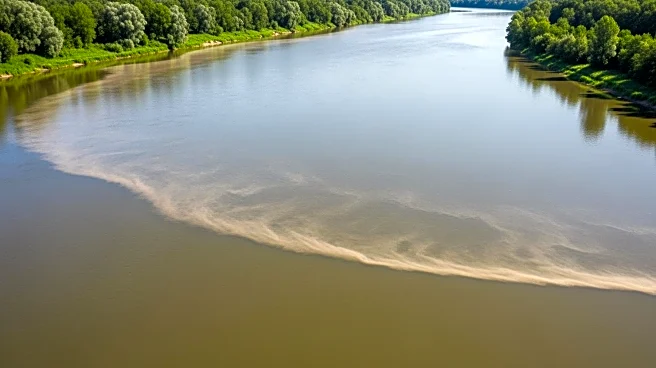
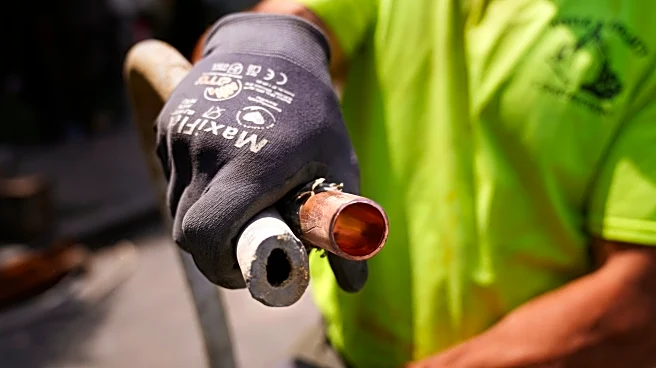
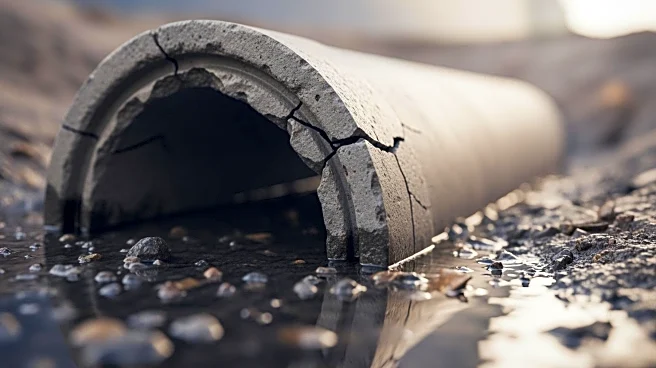
President Donald Trump has approved an emergency declaration for Washington, D.C., in response to a significant sewage spill in the Potomac River. The spill, which began in mid-January, was caused by the collapse of a major sewage pipeline known as the Potomac Interceptor.
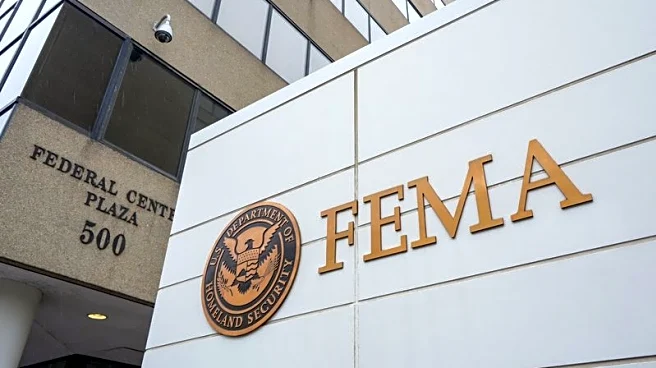
This incident resulted in approximately 234 million gallons of wastewater flooding into the river. The pipeline, which transports about 60 million gallons of wastewater daily from Virginia and Maryland suburbs to D.C. for treatment, is currently under repair. The Environmental Protection Agency (EPA) is leading the federal response, coordinating with D.C. Water to mitigate public health risks and prevent further overflows. The Federal Emergency Management Agency (FEMA) is also involved, deploying a team to support incident management and coordinate federal resources. D.C. Mayor Muriel Bowser declared a public emergency and requested federal assistance, including reimbursement for cleanup costs estimated at $20 million.
Why It's Important?
The emergency declaration underscores the critical role of federal assistance in managing large-scale environmental disasters. The spill poses significant public health risks, potentially affecting water quality and recreational activities in the Potomac River. The federal response, led by the EPA and FEMA, aims to ensure swift remediation and prevent further environmental damage. This incident highlights the vulnerability of aging infrastructure and the importance of timely maintenance and upgrades to prevent such occurrences. The financial implications are substantial, with repair and cleanup costs estimated at $20 million, impacting local government budgets and potentially requiring federal reimbursement. The situation also reflects ongoing political dynamics, as President Trump and local Democratic leaders navigate the response and recovery efforts.
What's Next?
Repairs to the Potomac Interceptor are expected to be completed by mid-March, ahead of events celebrating the 250th anniversary of the United States. Authorities plan to lift restrictions on boating and fishing in the Potomac River by March 2, contingent on water quality tests. The federal government will continue to coordinate with local officials to manage the cleanup and recovery process. The incident may prompt discussions on infrastructure investment and maintenance to prevent future environmental disasters. Additionally, political leaders may face scrutiny over their handling of the situation, influencing future policy decisions and public trust.