









What's Happening?
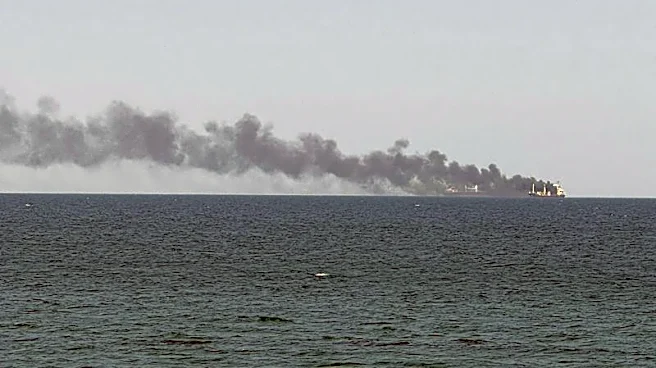
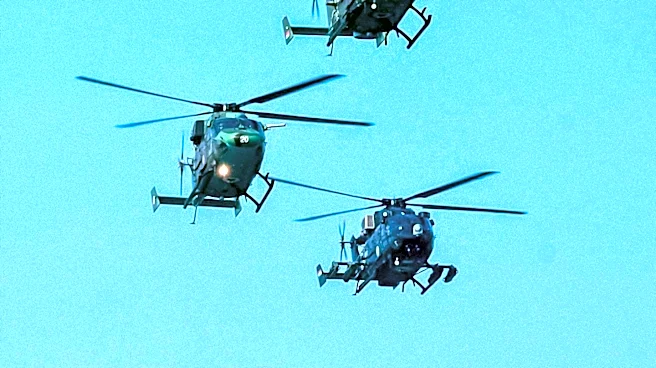
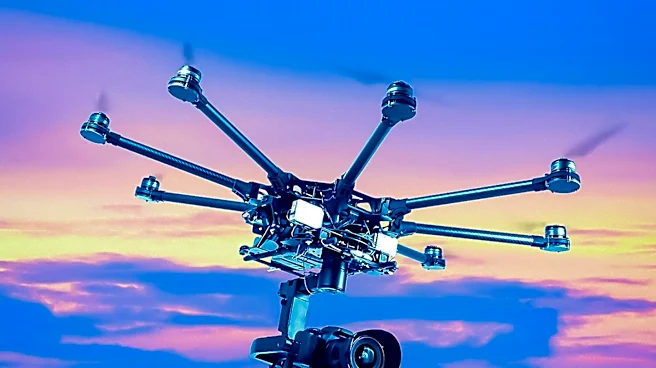
The U.S. Marine Corps is experimenting with the deployment of drones from helicopters to improve maritime operations. In a recent exercise off the coast of California, Marines launched small first-person-view drones from UH-1Y Venom and AH-1Z Viper helicopters.
This initiative is part of a special operations drill focused on visit, board, search, and seizure missions. The exercise aimed to determine if helicopters could act as mobile control hubs for drones, allowing them to scout ships more effectively before boarding. The use of drones is intended to reduce risks by providing better surveillance and minimizing surprises during these high-risk operations. The 3rd Marine Aircraft Wing highlighted that using drones as an extension of helicopter sensors can make dangerous missions more controlled by reducing unknowns. The primary drone used in this exercise was the Neros Archer, which costs a few thousand dollars each. The military plans to acquire more of these drones, with the Army aiming to purchase up to one million units over the next two years.
Why It's Important?
This development is significant as it represents a shift in military tactics, leveraging technology to enhance safety and efficiency in maritime operations. By using drones, the Marine Corps can conduct more thorough reconnaissance, potentially reducing the risk to personnel during boarding operations. This approach aligns with broader military trends of integrating unmanned systems to extend operational reach and improve situational awareness. The ability to deploy drones from helicopters could revolutionize how the military conducts maritime operations, offering a safer and more effective method of surveillance and target acquisition. This innovation could also influence other branches of the military and allied forces, as seen in similar tactics employed by Ukrainian and Russian forces. The increased use of drones could lead to significant changes in military procurement and strategy, emphasizing the importance of unmanned systems in modern warfare.
What's Next?
The Marine Corps is likely to continue testing and refining this tactic, potentially leading to broader implementation across various military operations. Future exercises may focus on integrating this capability with other military branches and exploring additional applications for drone deployment from helicopters. The success of these tests could prompt further investment in drone technology and influence military procurement strategies. Additionally, the concept of helicopters serving as airborne motherships for drones may be expanded, offering new possibilities for military operations. As the military continues to explore these capabilities, there may be increased collaboration with defense contractors to develop more advanced drones and control systems.