



What's Happening?
The Lincoln National Forest is preparing to conduct prescribed burn operations across its Smokey Bear and Sacramento Ranger Districts in New Mexico. Forest Service officials anticipate initiating the Baca Prescribed Burn Project on the Smokey Bear Ranger District as
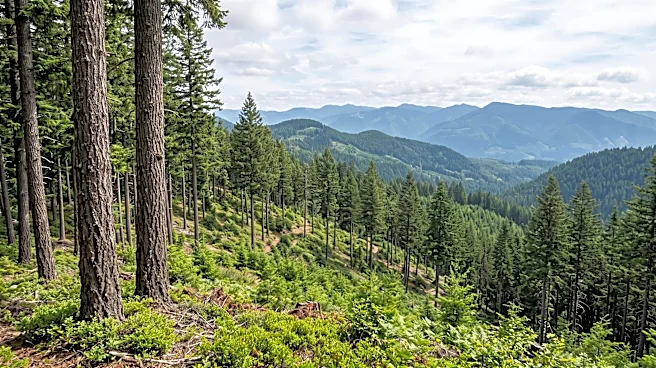
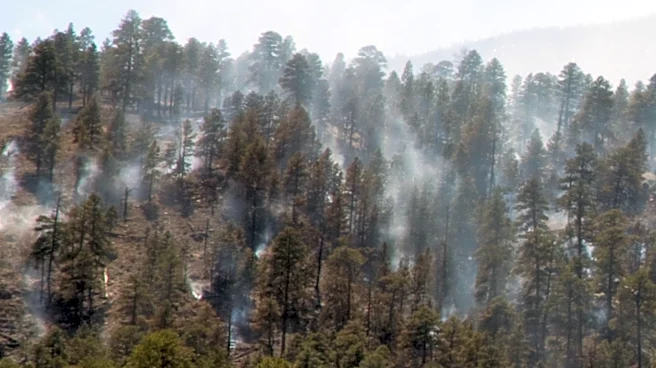
early as November 10, 2026, contingent on favorable weather and fuel moisture conditions. On the Sacramento Ranger District, ignitions are scheduled between November 11 and November 21, 2026, also subject to suitable conditions. These controlled burns are managed by certified fire personnel and are designed to reduce hazardous fuel loads, enhance forest health, and safeguard nearby communities, infrastructure, and natural resources from the destructive potential of large, high-severity wildfires. Specific areas targeted include 24 acres north of Lincoln and west of Baca Campground for the Baca Broadcast Burn, and several pile burns totaling 46 acres near Black Bear Campground, Upper Karr Campground, and Wofford Lookout on the Sacramento Ranger District. No closures are currently associated with these activities, but visitors are advised to remain vigilant.
Why It's Important?
These prescribed burns are a critical component of proactive wildfire management strategies in the U.S., particularly in fire-prone regions like New Mexico. By intentionally reducing accumulated hazardous fuels such as dead vegetation and undergrowth, the Forest Service aims to prevent uncontrolled, catastrophic wildfires that can devastate ecosystems, destroy property, and endanger lives. The long-term benefits include improved forest health, as controlled fires can stimulate new growth, enhance biodiversity, and restore natural fire regimes. For communities surrounding the Lincoln National Forest, these operations offer a vital layer of protection against the economic and social disruption caused by large wildfires, including evacuations, air quality degradation, and infrastructure damage. The strategic timing of these burns, considering weather and fuel conditions, is crucial to their effectiveness and to minimizing potential negative impacts, such as excessive smoke, on local residents. This approach reflects a broader national shift towards preventative measures in wildfire management.
What's Next?
The Lincoln National Forest will continue to monitor weather and fuel conditions closely in the days and hours leading up to the planned ignitions. If conditions are not deemed favorable for a safe and effective burn, the operations will be postponed or canceled. Residents in communities such as Capitan, Lincoln, Cloudcroft, Penasco Canyon, Pierce Canyon, and Silver Springs, New Mexico, may experience smoke during the prescribed fires. The Forest Service is collaborating with air quality specialists to manage smoke impacts and advises residents to visit fire.airnow.gov for current air quality information. Drivers in smoky areas are urged to slow down, turn on headlights, and use hazard lights to improve visibility. Firefighters will remain on-site throughout the ignition phases and will patrol the areas afterward. The public is encouraged not to report these controlled fires. Updates on the prescribed fire schedule will be available on the Forest Service website and social media channels.
Beyond the Headlines
The implementation of prescribed burns in national forests like Lincoln National Forest highlights a complex balance between ecological necessity and public perception. While scientifically proven to be effective in reducing wildfire risk and promoting forest health, prescribed burns can generate smoke, which raises concerns about air quality and public health, particularly for vulnerable populations. This ongoing practice also underscores the evolving understanding of fire's role in forest ecosystems, moving away from a complete suppression model to one that integrates controlled fire as a natural process. The success of these programs relies heavily on public education and communication to build trust and understanding within affected communities. Furthermore, the increasing frequency and intensity of wildfires due to climate change make such proactive management strategies even more critical, emphasizing the long-term commitment required to protect both natural resources and human settlements.