







What's Happening?
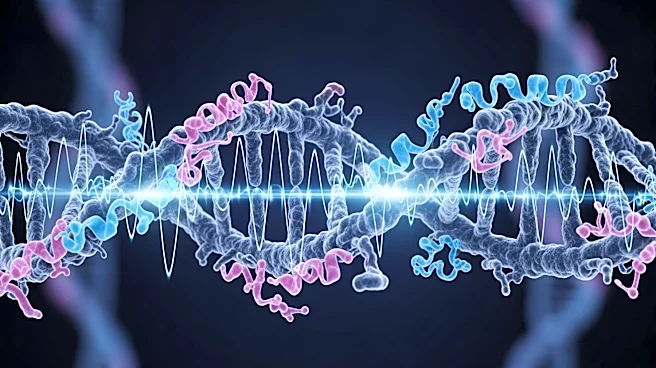
A team of Italian scientists has discovered a connection between the exceptional longevity of some individuals, known as super-agers, and inherited DNA from Ice Age hunter-gatherer populations in Europe. The study, led by Prof. Cristina Giuliani from the University
of Bologna, analyzed the DNA of 333 centenarians and 690 controls, comparing them with 103 ancient genomes. The research found that centenarians carried more Western Hunter-Gatherer variants, which are small DNA changes that can alter protein signals at several longevity-linked spots. This suggests that specific biological factors, possibly inherited from ancient populations, contribute to longevity. The study highlights the role of ancient genetic components in the longevity phenotype, although further lab experiments are needed to understand how these variants influence metabolism, immunity, or repair.
Why It's Important?
The findings of this study have significant implications for understanding human aging and longevity. By linking modern longevity to ancient genetic components, the research provides insights into the biological pathways that may contribute to a longer life. This could lead to new approaches in healthcare and aging research, potentially improving the quality of life for aging populations. The study also underscores the importance of genetic research in uncovering the complex factors that influence aging, which could inform public health strategies and interventions aimed at promoting healthy aging. Additionally, the research highlights the potential for using ancient DNA to explore human history and its impact on modern health.
What's Next?
Future research will likely focus on conducting lab experiments to determine how the identified genetic variants influence biological processes related to aging. Researchers may also explore the potential for these findings to inform new treatments or interventions aimed at promoting longevity. Additionally, expanding the study to include more long-lived men could provide further insights into the role of gender in longevity. As the research progresses, it may lead to a deeper understanding of the genetic and environmental factors that contribute to healthy aging, potentially influencing public health policies and aging-related research.