


What's Happening?
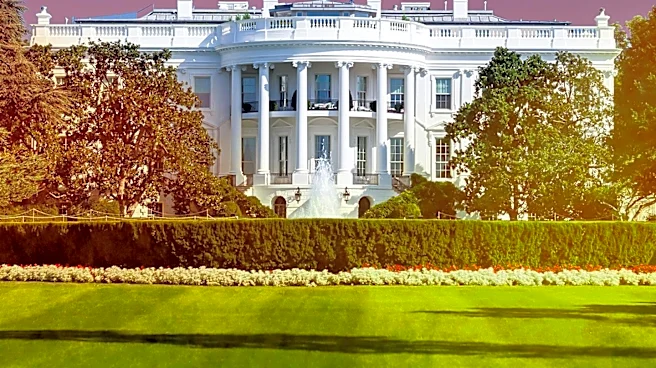
The White House has announced plans to open the James S. Brady Briefing Room to a wider array of nontraditional media outlets, including bloggers, social media influencers, and independent journalists. White House Press Secretary Karoline Leavitt stated
that this initiative aims to adapt the White House to the 'new media landscape of 2025' and ensure President Trump's message reaches a broader audience. Leavitt highlighted that millions of Americans, particularly young people, now consume news from podcasts, blogs, and social media, rather than traditional television and newspapers. This move comes as recent polling from Gallup indicates a record low in trust in mass media. The White House communications office will also work to restore press passes for 440 journalists whose credentials were revoked by the previous administration. A new website, whitehouse.gov/newmedia, has been launched for independent media to apply for credentials, with applications to be reviewed based on criteria and Secret Service requirements. The front-row seat in the briefing room, typically occupied by press secretary staff, will now be designated as the 'new media seat.'
Why It's Important?
This shift in White House media strategy signifies a significant re-evaluation of how presidential administrations engage with the public and the press. By actively embracing nontraditional media, the White House aims to bypass established news filters and directly communicate with segments of the population that may feel underserved or misrepresented by mainstream outlets. This could lead to a more fragmented media environment, where diverse voices and perspectives gain direct access to official information, potentially altering the national discourse. For traditional media, this development could intensify competition for access and influence, challenging their long-held role as primary intermediaries between the government and the public. The emphasis on reaching younger audiences through digital platforms also reflects a recognition of evolving consumption habits and the need for political messaging to adapt to these changes. The restoration of revoked press passes suggests a move towards broader media inclusion, though the criteria for new media credentials will be crucial in determining the actual diversity of voices granted access.
What's Next?
The White House communications office will proceed with reviewing applications from independent journalists, podcasters, social media influencers, and content creators for press credentials. The implementation of the 'new media seat' in the briefing room will likely lead to new dynamics during press briefings, potentially introducing different types of questions and reporting angles. Major stakeholders, including traditional news organizations, will be closely observing how this expanded access impacts the flow of information and the overall media narrative surrounding the administration. There may be discussions and debates regarding the definition of 'journalism' and the standards for White House accreditation in this evolving media landscape. The success of this initiative will depend on its ability to genuinely foster transparency and accessibility, rather than being perceived as a tool for selective communication or bypassing critical scrutiny.
Beyond the Headlines
The White House's decision to prioritize nontraditional media has deeper implications for the future of journalism and democratic discourse. It highlights a growing distrust in established institutions and a desire among some audiences for more direct, unfiltered information. This trend could further empower independent content creators and citizen journalists, potentially democratizing access to political information but also raising concerns about journalistic standards, fact-checking, and the spread of misinformation. The move could also be seen as an attempt to cultivate a media ecosystem more favorable to the administration's narrative, given the stated goal of sharing 'President Trump's message everywhere.' The long-term impact on the public's media literacy and their ability to discern credible information from biased content will be a critical consideration as this new media landscape takes shape. It underscores the ongoing challenge of maintaining a robust and independent press in an era of rapidly changing communication technologies and declining trust in traditional news sources.