








What's Happening?
The City of Milwaukee has enacted a one-year moratorium on the development of new data centers, a decision driven by growing concerns over their environmental impact and energy consumption. This pause reflects a broader sentiment among residents and officials
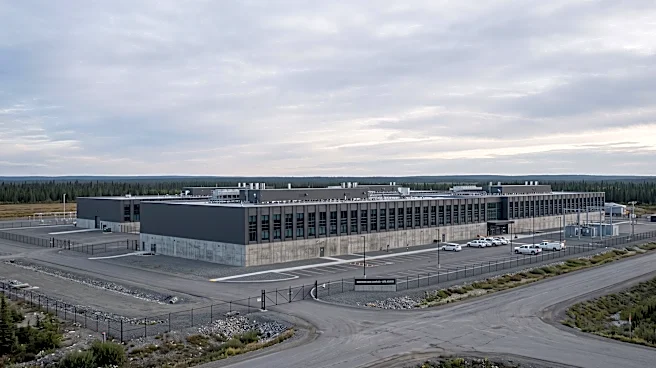
regarding the potential negative effects of large, hyperscale data centers, including increased energy rates and environmental strain. Notably, Data Holdings, a local data center owned by the Potawatomi tribe, has publicly supported the moratorium. Ryan Brooks, Chief Technology Officer and General Manager at Data Holdings, emphasized that their facility operates differently from hyperscale centers, utilizing environmentally conscious cooling systems that consume significantly less water and energy. The company aligns with community concerns, advocating for responsible development that prioritizes long-term sustainability and community integration over rapid, large-scale expansion.
Why It's Important?
Milwaukee's moratorium on data centers highlights a critical national debate regarding the environmental and economic implications of rapid technological expansion, particularly in the context of artificial intelligence. The concerns raised by residents and supported by local industry players like Data Holdings underscore the tension between technological advancement and sustainable urban development. Hyperscale data centers are known for their immense power and water demands, which can strain local resources, elevate energy costs for residents and businesses, and contribute to environmental degradation. This moratorium provides Milwaukee with an opportunity to assess these impacts, develop more sustainable policies, and potentially set a precedent for other U.S. cities facing similar pressures. It also brings to light the differing operational philosophies within the data center industry, distinguishing between community-integrated facilities and large-scale, resource-intensive operations.
What's Next?
During the one-year moratorium, the City of Milwaukee is expected to evaluate the long-term implications of data center development and formulate policies that balance technological growth with environmental and energy sustainability. This period will likely involve further public discourse, expert consultations, and potentially the development of new zoning regulations or environmental standards for data centers. The support from a local data center like Data Holdings could influence future policy, demonstrating that sustainable and community-aligned data operations are feasible. The outcome of Milwaukee's moratorium could serve as a model for other municipalities across the U.S. grappling with the challenges posed by the expanding data center industry, particularly as AI technologies continue to drive demand for computing infrastructure.
Beyond the Headlines
The Milwaukee data center moratorium delves into the less obvious implications of the digital age, particularly the hidden environmental footprint of our increasingly data-driven world. The debate over data center development brings to the forefront ethical considerations about resource allocation, community impact, and the responsibility of technology companies. The distinction drawn by Data Holdings between their operations and those of hyperscale centers suggests a potential shift towards more localized, environmentally conscious data infrastructure. This could foster innovation in sustainable computing practices and encourage a re-evaluation of how and where digital infrastructure is built. The broader cultural implication is a growing public awareness and demand for accountability from industries that consume vast amounts of energy and water, pushing for a more integrated and sustainable approach to technological progress within urban environments.